

Introduction
For small to medium business owners, sole traders, startups, self-employed professionals, and home-based entrepreneurs across Australia, managing finances can feel overwhelming when you’re already juggling operations, clients, and growth. A virtual accounting service offers a practical, modern solution: qualified accountants and bookkeepers deliver accurate, compliant financial support remotely, using cloud tools so you get real-time visibility without anyone needing to visit your home or office. These virtual accounting service options bring the same reliability as traditional firms but with greater flexibility, lower overheads, and the ability to scale up or down as your business changes.
In this guide, we explain the real benefits of virtual accounting service, compare them to in-house or office-based alternatives, detail the essential services you should expect, highlight common challenges and mistakes, provide a clear step-by-step selection process, review leading virtual accounting providers, look at key Australian accounting trends in 2026, and show you exactly how to get started confidently.
Key Takeaways
- Virtual accounting service provides cost savings, flexibility, real-time access, ATO compliance, and expert support from anywhere in Australia.
- It is ideal for small businesses, sole traders, startups, and home-based entrepreneurs who want professional help without office overheads.
- Look for cloud-based platforms, ATO-registered providers, secure portals, and clear communication when choosing.
- Common packages range from basic bookkeeping to full-service tax and advisory, with monthly fees typically ranging from $350–$1,800.
- Virtual accounting service in Australia is growing rapidly due to AI automation, e-invoicing, and remote work trends.
Why Virtual Accounting Service is Ideal for Australian Small Businesses
Virtual accounting service aligns perfectly with the needs of Australian small businesses, offering convenience and efficiency in a digital-first world.
Cost Savings Without Sacrificing Quality
One of the biggest advantages of a virtual accounting service is the significant cost reduction compared to in-house or office-based accountants. Because providers work remotely, they avoid high commercial rent, utilities, and staffing overheads, and these savings are passed on to clients. Many virtual accounting service packages start at $350–$800 per month for basic needs, often 40–70% less than hiring a full-time bookkeeper or accountant in major cities like Sydney or Melbourne.
Flexibility and Work-Life Balance
Virtual accounting service adapts to your schedule and business rhythm. You can choose weekly, fortnightly, or monthly check-ins, receive updates at times that suit you, and scale support up during busy periods (EOFY, tax season) or dial it back in quieter months, all without long-term office leases or rigid contracts. This flexibility is particularly valuable for home-based entrepreneurs juggling family responsibilities or irregular trading hours.
Real-Time Access and Transparency
Cloud platforms (Xero, MYOB, QuickBooks Online) power most virtual accounting services, giving you 24/7 access to live financial data through mobile apps and secure client portals. You can view reconciled accounts, current cash position, outstanding invoices, and BAS status from your phone while sitting at your home office desk, no waiting for printed reports or scheduled meetings.
Full ATO Compliance Without Hassle
Virtual accounting service providers who are registered BAS agents or tax agents handle GST calculations, quarterly BAS lodgements, Single Touch Payroll reporting, super guarantee obligations, and PAYG withholding with the same diligence as office-based firms. Because they work remotely, they often have more time to stay current with ATO updates and rulings, helping you avoid late penalties and interest charges that can quickly erode profit.
Expert Support from Anywhere
A virtual accounting service gives you access to qualified professionals across Australia, not limited to your local area. You can work with specialists in your industry (trades, e-commerce, professional services) who understand ATO rules and best practices, all delivered securely from their own location.
In-House vs Virtual/Remote Accounting Comparison
Choosing between an in-house and virtual accounting service depends on your budget, privacy preferences, and growth stage.
Cost Comparison
In-house or office-based accounting in major cities usually costs $60,000–$90,000 annually (salary + super + training + software + rent contribution), while virtual accounting service averages $4,200–$21,600 per year ($350–$1,800/month). For most small businesses and sole traders, remote options save 50–75% without sacrificing quality.
Expertise & Specialisation
In-house staff can become very familiar with your specific operation but may lack broad exposure to different industries. Virtual accounting service providers often work with a wide variety of clients (tradies, consultants, e-commerce, cafes), bringing fresh ideas and up-to-date ATO knowledge that benefits your business.
Flexibility & Scalability
In-house arrangements are fixed, scaling up or down usually means hiring or redundancy. A virtual accounting service allows you to adjust hours or scope monthly, perfect for seasonal businesses or startups testing growth. You pay only for the support you actually need.
Control, Privacy & Communication
Some owners prefer the reassurance of having someone physically present. Virtual accounting service provides the same oversight through secure client portals, live dashboards, and regular video/check-in calls while preserving the privacy of your home workspace.
Essential Services in Virtual Accounting Service
A reliable virtual accounting service typically includes these core components, delivered securely via cloud platforms.
Transaction Recording & Bank Reconciliations
Daily or weekly entry of sales, purchases, and payments, matched against bank and credit card feeds. Virtual accounting service ensures every transaction is categorised correctly and reconciled, providing a solid foundation for reporting and tax.
BAS & GST Lodgement
Preparation and electronic lodgement of Business Activity Statements (quarterly or monthly), including GST collected and paid, PAYG instalments, and fuel tax credits where applicable. Remote bookkeepers registered as BAS agents handle this directly with the ATO.
Payroll & Superannuation Processing
Calculation of wages, PAYG withholding, super guarantee contributions (currently 11.5% in 2026), and Single Touch Payroll reporting. Virtual accounting service ensures compliance with Fair Work and ATO rules, even for businesses with only a few casual or part-time staff.
Tax Preparation Support
Collation of records for annual income tax returns (individual, company, trust, or partnership), identification of deductions (home office running costs, vehicle logbooks, depreciation), and coordination with your tax agent or accountant. Many virtual accounting service providers offer end-to-end support through EOFY.
Financial Reporting & Basic Advisory
Monthly profit & loss statements, balance sheets, cash flow summaries, and aged debtor/creditor reports. A virtual accounting service often includes simple advisory services, such as identifying cash flow issues, suggesting cost-saving measures, or flagging upcoming tax obligations.
Common Challenges & Mistakes with Virtual Accounting Service
While a virtual accounting service is highly effective, these issues can undermine its value if left unaddressed.
Poor Initial Setup & Data Migration
Rushing the handover or providing disorganised historical records leads to months of corrections. Invest time upfront to map your chart of accounts, connect all bank feeds, and clean legacy data so your virtual accounting service starts with a strong foundation.
Communication Gaps & Time Zone Misalignment
Because the accountant works remotely, mismatched expectations around response times or meeting schedules can cause frustration. Set clear protocols (e.g., 24–48-hour response time, weekly updates) during onboarding.
Data Security Concerns
Some owners worry about sharing financial data remotely. Choose providers that use bank-level encryption, two-factor authentication, regular backups, and comply with Australian privacy laws (Privacy Act 1988). A reputable virtual accounting service treats your information with the same care as office-based firms.
Underestimating the Need for Regular Reviews
Assuming “it’s all handled” and never reviewing reports can allow small errors to grow. Schedule monthly video calls or written summaries with your virtual accounting service to catch issues early.
Choosing on Price Alone
The cheapest virtual accounting service option may cut corners on experience or software. Prioritise providers who are BAS-registered, use current cloud platforms, and have solid reviews, even if they charge $50–$80 more per month.
Step-by-Step Guide to Choosing a Virtual Accounting Service in Australia
Follow this practical process to find and implement the right remote solution.
Step 1: Clarify Your Accounting Requirements
List your monthly transaction volume, whether you have payroll or employees, how often you lodge BAS, and whether you need tax return support. This helps you match services to your needs when evaluating a virtual accounting service.
Step 2: Set a Realistic Budget
Most virtual accounting services charge $350–$1,800 per month. Allocate 1–3% of annual revenue (e.g., $200–$600/month for $200,000 turnover) and factor in any one-off setup fees.
Step 3: Research Virtual & Remote Providers
Search for a virtual accounting service with strong Google reviews, BAS agent registration, and experience with businesses like yours. Check industry forums, Facebook groups, and LinkedIn for recommendations from other Australian small business owners.
Step 4: Verify Technology & Security
Confirm the provider uses ATO-approved cloud software (Xero, MYOB, QuickBooks Online) with bank feeds, mobile apps, and secure client portals. Ask about encryption, data backups, and compliance with Australian privacy laws.
Step 5: Compare Packages & Pricing
Request detailed proposals showing monthly fees, included services (transaction limits, BAS lodgements, reporting frequency), any extras, and contract terms. Compare value, not just the lowest price, in virtual accounting service options.
Step 6: Schedule Consultations & Test Fit
Book calls or video meetings with shortlisted providers. Discuss your business, ask how they handle EOFY and ATO audits, and assess communication style and responsiveness.
Step 7: Start with a Trial or Limited Engagement
Many virtual accounting services offer a discounted first month or trial period. Use this to test accuracy, ease of collaboration, and overall service quality before committing long-term.
Top Virtual Accounting Providers & Australian Accounting Trends in 2026
In 2026, many of Australia’s most popular virtual accounting services are delivered by independent BAS agents and small virtual firms rather than large office-based practices. Well-regarded virtual accounting service providers include My Accountant (local & personal), Bookkeeper Hub (nationwide virtual teams), Virtual Bookkeeping Australia, and individual BAS agents advertising on platforms like Airtasker, Facebook groups, and LinkedIn.
Key Australian accounting trends in 2026:
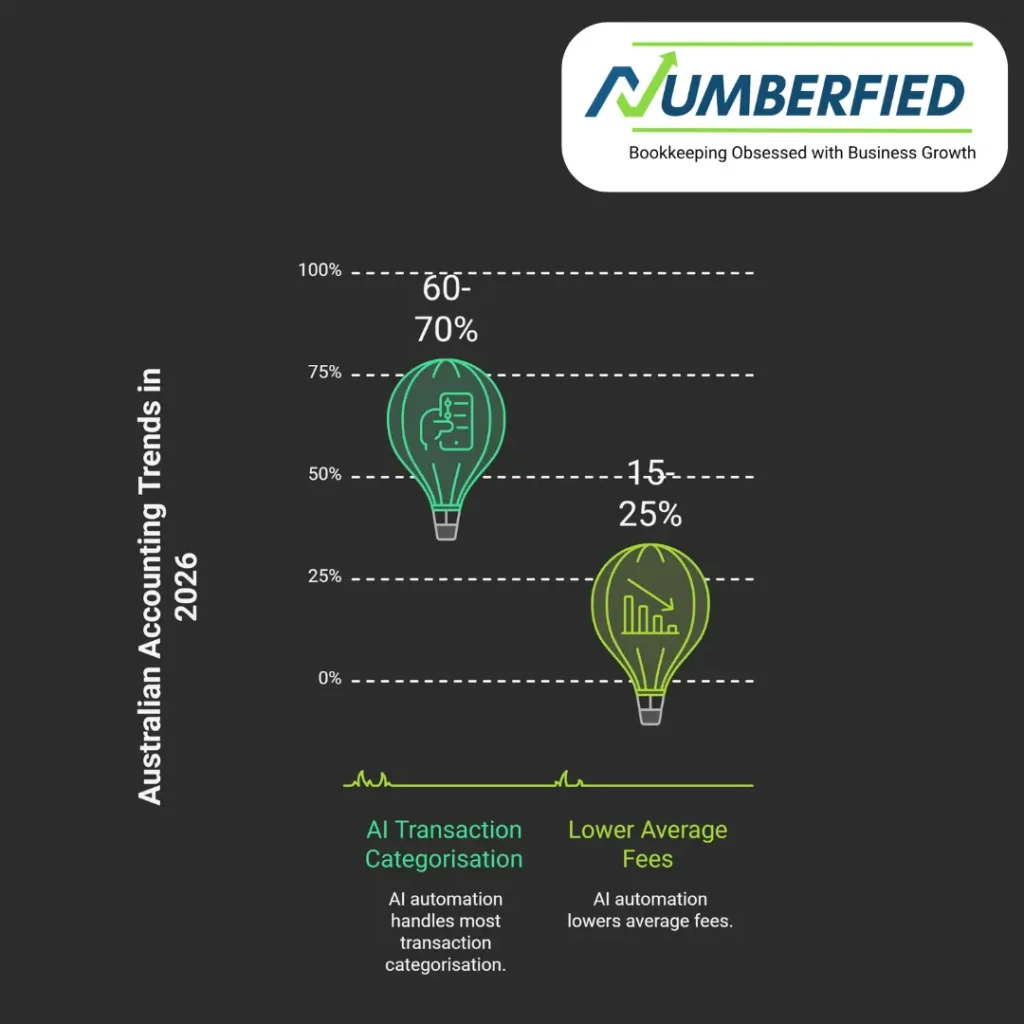
- AI automation now handles 60–70% of transaction categorisation, lowering average fees by 15–25%.
- Full integration with ATO’s e-invoicing framework and expanded Single Touch Payroll Phase 2 reporting.
- Increased use of mobile-first apps for receipt capture and approval workflows.
- Growing demand for ESG/sustainability reporting add-ons as grant and finance criteria evolve.
- Strong focus on cybersecurity (end-to-end encryption, regular penetration testing) due to rising data breach concerns.
- Continued shift toward cloud-first, remote-friendly services with mobile apps and real-time client portals.
Conclusion
Virtual accounting service offers small to medium business owners, sole traders, startups, self-employed professionals, and home-based entrepreneurs in Australia a flexible, cost-effective, and fully compliant way to manage finances without sacrificing quality or security. By leveraging cloud technology, remote expertise, and tailored packages, you gain real-time clarity, significant time savings, and the peace of mind that comes with professional ATO compliance, all while keeping overheads low. Whether you’re based in a busy capital city or a quiet regional town, the right virtual accounting service partner can become one of your most valuable business allies.
Ready to simplify your books and focus on what you love? Request a free consultation today from a trusted remote provider and take the first step toward effortless financial management.
FAQ
What is a virtual accounting service?
A virtual accounting service is remote, cloud-based financial support delivered by qualified accountants or bookkeepers from their own location. It includes bookkeeping, BAS lodgement, tax preparation, payroll, and reporting, giving you real-time access via secure portals and mobile apps without anyone needing to visit your office or home.
How much does a virtual accounting service cost in Australia?
Virtual accounting service typically costs $350–$1,800 per month in 2026, depending on transaction volume and scope. Basic packages for sole traders with low activity start around $350–$700, while full-service plans (including BAS, payroll, and reporting) usually range from $900–$1,800+ monthly.
Are virtual accounting services worth it for small businesses?
Yes, virtual accounting services are worth it for most small businesses, sole traders, and home-based entrepreneurs. They save 30–60% compared to office-based providers, offer flexible scheduling, provide real-time access, and ensure ATO compliance, often delivering more value through time saved and accurate records than the monthly fee.
What services are usually included in virtual accounting service packages?
Typical packages include daily transaction entry, bank and credit card reconciliations, expense categorisation, BAS/GST lodgement, payroll processing, monthly financial reports, and basic advisory support. Many also cover superannuation compliance, tax prep coordination, and secure receipt capture via mobile apps.
How do virtual accounting services differ from traditional accountants?
Virtual accounting services are delivered remotely using cloud tools, so there’s no physical presence, lower overheads, and often more flexible pricing and scheduling. They provide the same accuracy and ATO compliance as traditional accountants but with greater convenience and cost savings for your home office or small business.
Is data secure with virtual accounting services?
Yes, reputable virtual accounting services use bank-level encryption, two-factor authentication, secure client portals, and regular backups to protect your financial data. Providers comply with Australian privacy laws (Privacy Act 1988) and often hold certifications like ISO 27001 or use platforms with strong security standards.
Do I need a BAS agent for virtual accounting services?
Not for basic transaction recording and reconciliations, but a registered BAS agent is essential if the service includes BAS/GST lodgement, PAYG withholding, or payroll reporting. Most reliable virtual accounting service providers are BAS-registered or work closely with one to ensure full ATO compliance.
What are common mistakes when using virtual accounting services?
Common mistakes include poor initial data handover (disorganised records), vague communication expectations, inadequate receipt tracking, skipping regular reviews, and choosing providers based only on the lowest price. Proper setup, clear protocols, and consistent collaboration prevent most issues.
What are the latest trends in virtual accounting services for 2026?
Trends in 2026 include AI handling 60–70% of transaction categorisation, full integration with ATO e-invoicing and STP Phase 2, mobile-first receipt apps, ESG/sustainability add-ons, and enhanced cybersecurity (end-to-end encryption, regular testing). Virtual providers are also offering more flexible, pay-as-you-go plans and predictive cash flow tools.
How can I get started with virtual accounting services?
Start by assessing your transaction volume, BAS needs, and budget, then research BAS-registered virtual accounting service providers with strong reviews and cloud software experience. Request detailed quotes, schedule a consultation to discuss your business, and begin with a trial month. Many offer a free initial call. Book one today to see how a virtual accounting service can simplify your finances.
Also Read: Why Accounting Services for Ecommerce Are Your Australia Online Store’s Secret Sauce