

Introduction
We’re Numberfied, and we get how tricky money matters can be when you’re running a small business. One question we hear all the time is, “How much should accountant fees for small business really cost?” It’s a fair thing to ask when cash flow’s tight and tax season’s around the corner. Getting a clear idea of those costs helps you stay on top of things and plan for the year ahead.
We’ve worked with all kinds of Aussie businesses – from florists in Adelaide to tradies up in Brisbane – and we know every setup’s different. So, this guide breaks it down in simple terms, helping you see what you’ll likely pay and how to get the best value for it.
What Shapes Accountant Fees for Small Business?
The cost of an accountant depends on a few key things. At Numberfied, we’ve helped all sorts of Australian businesses, so we know what drives these fees. Let’s look at what matters so you can budget smartly.
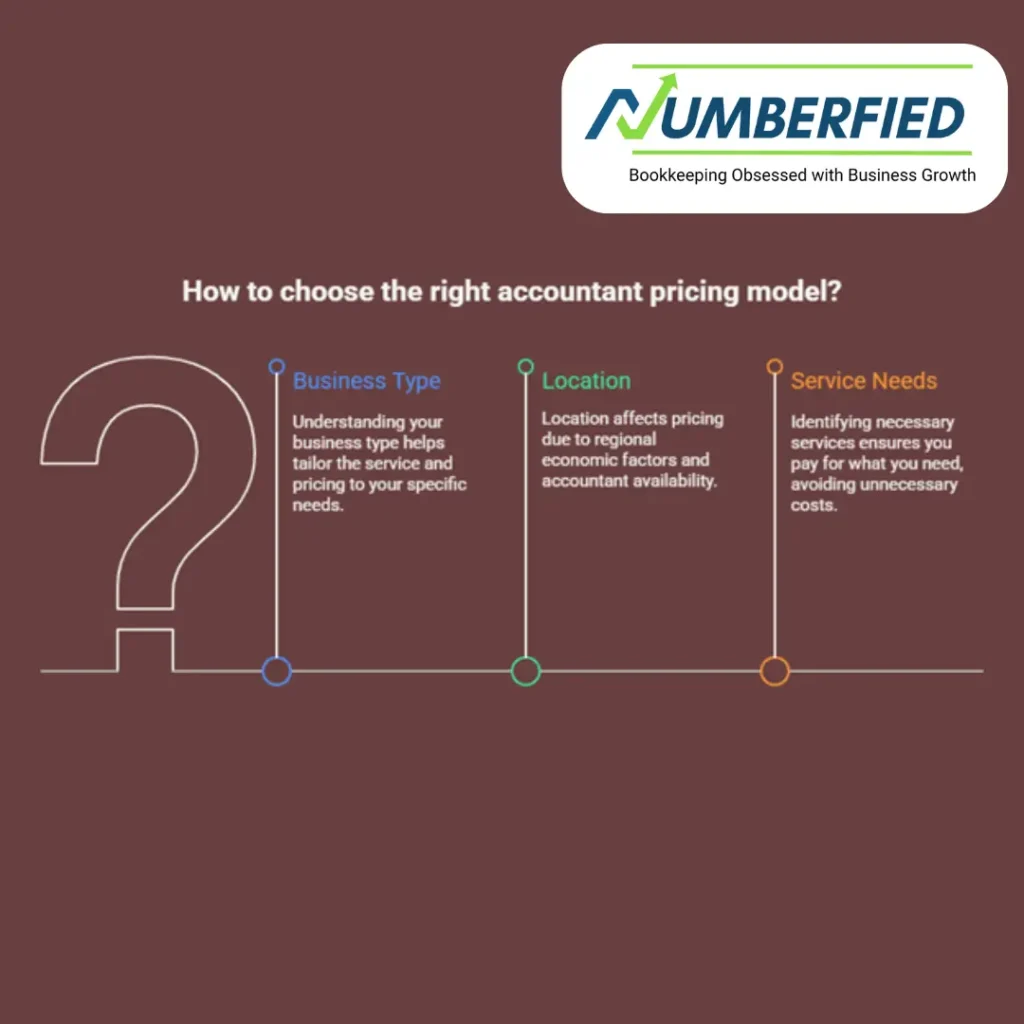
Your Business Type
Different business setups mean different workloads for your accountant – and that’s what really drives the cost.
- Sole traders: If your books are straightforward, you’re probably looking at around $100 to $300 a year for your tax return and a bit of advice.
- Partnerships and companies: There’s more to handle here – multiple accounts, filings, and compliance. Most pay somewhere between $900 and $1,600 a year.
- Businesses with trusts or bigger setups: Once you start adding layers like trusts or multiple branches, your accountant’s time (and fee) climbs by roughly 15–30% to cover the extra work.
Pick services that fit your business to keep fees in check.
Where You’re Based
Your location in Australia affects what you’ll pay.
- Cities: In places like Sydney, expect $120-$260 per hour because of higher costs.
- Regional Areas: Smaller spots like Tamworth charge $80-$200, which is easier on the wallet.
- Online Accountants: Firms like Numberfied save 8-15% by working remotely, no matter your postcode.
A local or virtual accountant who gets your area is a smart choice.
Accountant’s Experience
The skills of your accountant play a big role in their rates. At Numberfied, we match expertise to your needs.
- Basic Tax Agents: Simple jobs like BAS filings cost $60-$130 per hour.
- Certified Accountants (CPAs): Bigger tasks like tax planning run $170-$320.
- Industry Experts: Specialists in fields like cafes or trades might charge 5-8% more but save you money long-term.
Common Accounting Services and Their Costs
Bookkeeping and Payroll
Keeping records and paying staff right is key.
- Bookkeeping: $200-$550 monthly to track transactions with tools like Xero.
- Payroll: $25-$100 per pay run, plus $2-$3 per employee for super.
- Reconciliations: $70-$180 quarterly to double-check your books.
Software makes these tasks quicker, cutting costs.
Growth and Planning Services
These help your business aim higher, something we focus on at Numberfied.
- Budget Planning: $300-$1,400 yearly for cash flow forecasts.
- Tax Savings Advice: $180-$400 per session to find credits like R&D.
- Business Valuations: $600-$3,200 for selling or growing.
These services often lead to savings that beat their cost.
How to Get Fair Accountant Fees for Small Business
Getting a good deal takes a bit of planning. At Numberfied, we’ve guided clients to better rates with these tips.
Prep for the Chat
Be ready before you talk to an accountant.
- Get Quotes: Check prices from 2-3 accountants to know what’s fair.
- List Your Needs: Be clear about tasks like BAS or payroll.
- Talk Long-Term: Mention future work to score lower rates.
Knowing what you want makes talks easier.
Negotiation Tips
Work together, not against, your accountant.
- Bundle Tasks: Combine bookkeeping and taxes for 5-8% off.
- Ask for Extras: See if they’ll throw in free setup or advice.
- Review Yearly: Update your deal as your business changes.
A friendly approach gets you better terms.
When to Switch
Some signs mean it’s time to find a new accountant.
- Unclear Fees: Hidden costs can sneak up on you.
- Generic Services: You need a plan that fits your business.
- Poor Service: Slow replies mean they’re not focused on you.
Pick someone who’s invested in your success.
Mistakes to Avoid with Accountant Fees for Small Business
It’s easy to make errors that bump up costs. At Numberfied, we’ve seen these traps and know how to dodge them.
Hidden Fees
Extra charges can catch you off guard.
- Software Costs: Make sure tools like MYOB are included.
- Add-Ons: Ask about fees for filings or audits upfront.
- Travel: Online accountants don’t charge for visits.
Check the details to avoid surprises.
Choosing the Cheapest Option
The lowest price isn’t always the best.
- Lack of Skills: Cheap accountants might miss tax breaks.
- No Feedback: Look for client reviews to check reliability.
- Short-Term Focus: Pick someone who grows with you.
Go for value, not just low cost.
Skipping Technology
Tech can save you money.
- Manual Work: Tools like Xero speed things up.
- Bank Feeds: These cut time on reconciliations.
- Old Systems: Newer tools reduce mistakes.
Using tech keeps accountant fees for small business down.
Why Pay for Professional Accounting?
Spending on an accountant is about building a better business. At Numberfied, we see the impact it has.
Keep Things Legal
Professionals make compliance easy.
- No Fines: Proper filings avoid ATO penalties of $300+.
- Audit Prep: Clean books make checks stress-free.
- Stay Current: Accountants know the latest tax rules.
You can focus on your work, not regulations.
Save Time
Let someone else handle the numbers.
- More Free Time: Save 5-8 hours a week on paperwork.
- Quick Processes: Pros make your systems faster.
- Scales with You: Services grow as your business does.
Spend your time where it counts.
Grow Your Business
Accountants help you plan for success.
- Tax Savings: Find deductions that save 8-15%.
- Smart Budgets: Plan cash flow for big steps.
- Get Funding: Good books attract banks or investors.
Fees become profits with the right advice.
Conclusion
Sorting out how much an accountant should charge for a small business is about finding what works for you. By knowing your business type, location, and service needs, you can keep accountant fees for small business fair and effective. It’s not just about spending less – it’s about getting more, from staying legal to growing your profits. No matter where you are in Australia, a good accountant is a partner in your journey.
At Numberfied.com/au, we’re ready to simplify your finances with clear, friendly support. Drop us a line for a no-pressure chat – let’s turn your numbers into your success story.
FAQs
1. What do accountant fees for small business look like in Australia in 2025?
In 2025, accountant fees for small business sit between $600 and $4,000 a year. Sole traders usually pay less, while bigger setups spend more. Numberfied keeps prices simple and fair wherever you’re based.
2. How does my business setup affect accountant fees for small business?
Your business setup changes accountant fees for small business because of the work involved. Sole traders pay $100-$300 for simple taxes. Companies or partnerships spend $900-$1,600 on extra filings. Complex setups like trusts add 15%+. Numberfied checks your structure to offer services that save money while keeping you on track.
3. Can I reduce accountant fees for small business without losing quality?
Yes, you can cut accountant fees for small business by bundling tasks for 5-8% savings, using tools like Xero to organise data, or picking online accountants to skip travel costs. Numberfied uses technology and clear plans to keep services affordable, giving you quality support without paying for things you don’t need.
4. What’s included in accountant fees for small business packages?
In most cases, accountant fees for small business cover the basics- tax returns (around $100 to $2,000), BAS lodgements ($100 to $280 each quarter), and bookkeeping ($200 to $550 a month). Payroll services, usually $25 to $100 per run, are sometimes bundled in. Extras like audits can add to the total. At Numberfied, every package is clear and upfront- no hidden costs, just the help your business actually needs.
5. How often should I review accountant fees for small business?
Review accountant fees for small business yearly or after changes like hiring staff. This keeps costs fair and services relevant. A quick check mid-year can find savings. Numberfied helps you review regularly, adjusting plans to match your growth and keep fees affordable while delivering great support.
6. Can online accountants lower accountant fees for small business?
Online accountants can cut accountant fees for small business by 8-15% by avoiding office or travel costs. Cloud tools keep work efficient without losing quality. This helps rural businesses especially. Numberfied’s online approach offers expert support across Australia, saving money while staying personal.
7. How do I get better accountant fees for small business?
To get better accountant fees for small business, compare quotes from 2-3 providers, be clear about needs like BAS, and ask for bundled discounts. Mention long-term work for lower rates. Numberfied works with you to create fair plans, adding extras like free setup to maximise value.
8. What extra costs might come with accountant fees for small business?
Extra costs in accountant fees for small business include software fees ($10-$60/month), audits ($300+), or ATO filings ($30-$100). Fixing messy records adds $100-$600. Numberfied quotes all costs upfront and suggests tools like QuickBooks to keep your expenses clear and under control.
9. Why pay accountant fees for small business instead of doing it myself?
Paying accountant fees for small business saves time, avoids fines, and grows your profits. Experts find 8-15% tax savings, cut admin time, and plan for growth. Numberfied’s support lets you focus on your business, turning fees into savings and opportunities for success across Australia.