

Introduction
Introduction: Running a small business means making smart financial decisions. Understanding accountant fees for small businesses helps you budget, choose services and ensure compliance while maximising value. This guide covers common fee structures, what services accountants provide, optimisation strategies and how Numberfied can help you get the right support.
Key takeaways
- Accountant fees for small businesses vary by service, complexity and location.
- Common fee models include hourly rates, fixed fees, monthly retainers and value-based pricing.
- Understanding deliverables and communication reduces unexpected costs.
- Effective use of cloud tools and clear engagement agreements can lower accounting fees for small businesses.
- Numberfied offers tailored approaches to match needs and budgets.
Why understanding accountant fees for small businesses matters
Protect your cash flow
Knowing how accountant fees for small businesses are structured helps you forecast expenses accurately and avoid surprise bills that can impact cash flow.
Choose the right service level
Different businesses need different levels of support. Clarity on accountant fees for small businesses helps match service scope to business stage and goals.
Maximise return on investment
When you understand the components of accountant fees for small businesses, you can prioritise services that deliver tangible benefits such as tax efficiency, compliance and strategic advice.
Common fee structures for accountants
Hourly billing
Hourly billing is common for ad-hoc work and short projects. It is useful for irregular tasks, but it can make total costs less predictable when tasks expand.
Fixed-fee engagements
Fixed-fee arrangements specify a price for defined deliverables. They are preferred for ongoing services such as monthly bookkeeping or annual compliance, as they provide budget certainty.
Monthly retainers
Monthly retainers provide continuity and access to ongoing advice. They often bundle a set number of hours or services into a predictable monthly cost.
Value-based pricing
Some accountants price based on the value they deliver, for example, through tax savings or improved cash flow. This model aligns incentives but requires clear measurement of outcomes.
Services that influence accountant fees for small businesses
Bookkeeping and BAS preparation
Regular bookkeeping and business activity statement (BAS) preparation are foundational services. Frequency, transaction volume and complexity influence accountant fees for small businesses in this area.
Tax compliance and lodgements
Income tax returns, GST lodgements and payroll tax obligations require specialist time and knowledge. Complex returns or multi-jurisdiction issues typically increase accountant fees for small businesses.
Payroll and superannuation
Processing payroll, managing pay slips, and administering superannuation add to the ongoing workload. The size of the workforce and payment frequency affect accountant fees for small businesses for payroll services.
Advisory and strategic planning
Business advice, forecasting and strategic planning are higher-value services. These often command higher accountant fees for small businesses due to the skill and impact involved.
Cloud setup and integrations
Implementing cloud accounting, automation, and software integrations requires an initial setup effort that can influence accountant fees for small businesses but often reduces ongoing costs.
How location and industry affect accountant fees for small businesses
Urban vs regional pricing
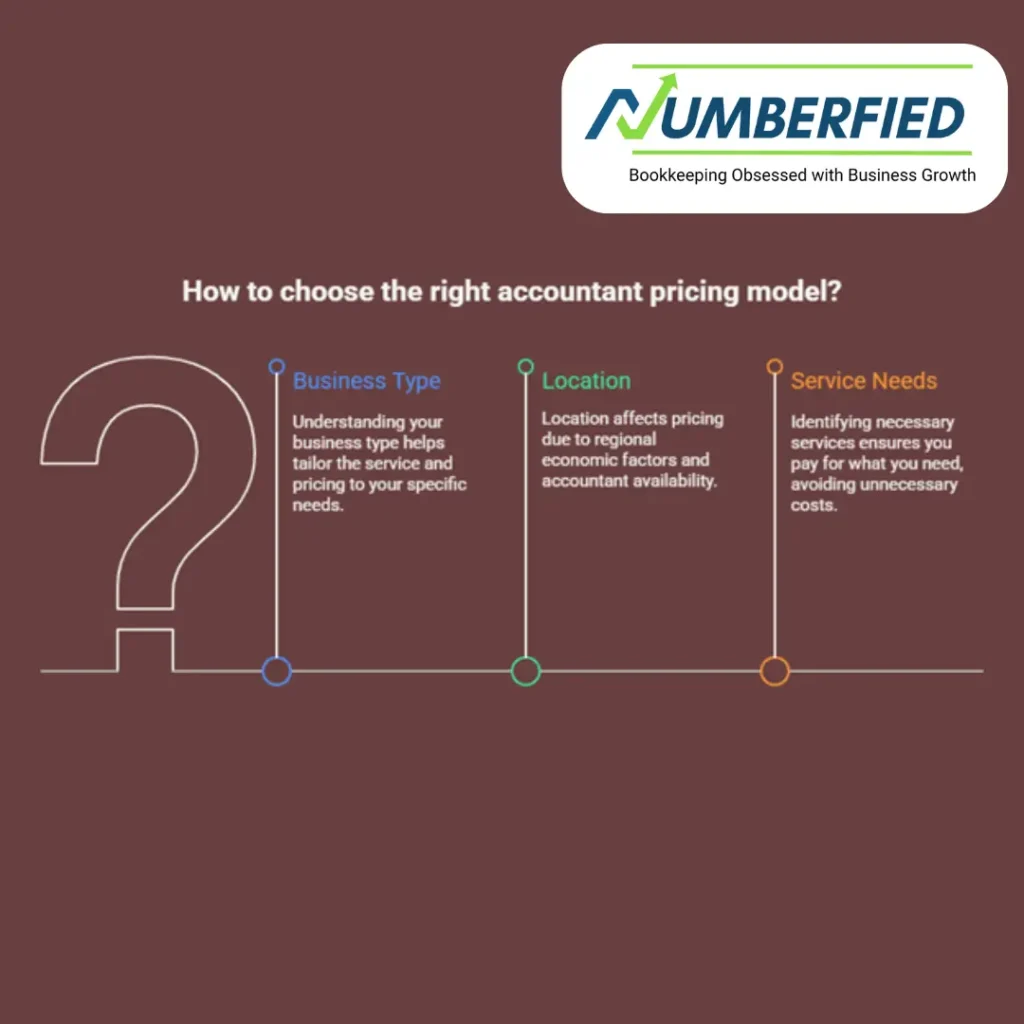
Accountant fees for small businesses can reflect local operating costs. Urban centres may have higher rates, while regional providers can be more cost-competitive.
Industry complexity
Businesses in regulated or specialised industries often incur higher accounting fees for small businesses because accountants need sector-specific knowledge.
Compliance intensity
High-compliance sectors, such as those with licensing or frequent audits, can increase accountant fees for small businesses due to the extra administrative burden.
Factors to consider when evaluating an accountant’s fees for a small business
Scope of services
Document the services you need. Clear scope reduces scope creep and makes accounting fees for small businesses more predictable.
Experience and specialisation
More experienced accountants or specialists may charge higher accountant fees for small businesses, but they also often deliver faster, more accurate outcomes.
Technology and efficiency
Accountants who use modern cloud tools can offer lower long-term accounting fees for small businesses by automating routine tasks and reducing manual input.
Communication and availability
Consider how often you need touchpoints. Frequent advisory access can increase accountant fees for small businesses, but may provide better strategic value.
Ways to reduce accountant fees for small businesses without sacrificing quality
Keep records organised
Timely, organised records reduce the time your accountant spends on data entry and reconciliation, lowering accountant fees for small businesses.
Use cloud accounting
Cloud solutions streamline workflows and enable accountants to work more efficiently, reducing ongoing accountant fees for small businesses.
Limit reactive work
Planned, regular meetings are more efficient than frequent, unplanned requests. Reducing reactive queries helps control accountant fees for small businesses.
Agree on fixed scopes
Negotiate fixed-fee engagements for recurring tasks to avoid variable accountant fees for small businesses.
How to compare quotes for accountant fees for a small business
Breakdown of costs
Ask for an itemised quote. Comparing components makes accounting fees for small businesses transparent and easier to evaluate.
Service levels and deliverables
Clarify what’s included: reconciling, lodgements, payroll, and advisory time. This context helps compare accountant fees for small businesses on a like-for-like basis.
Communication terms
Confirm response times and reporting frequency. Better communication can justify slightly higher accountant fees for small businesses if it delivers peace of mind.
References and outcomes
Ask for client references and examples of outcomes. High-quality accountants may justify their fees for small businesses by demonstrating tangible benefits.
Engagement letters and managing expectations
Written agreements
An engagement letter defines scope, fees, and responsibilities, reducing disputes over accountant fees for small businesses.
Change management
Include clauses for scope changes and additional work. This keeps accountant fees for small businesses predictable when priorities shift.
Performance metrics
Set measurable expectations for turnaround times and deliverables. Clear metrics help assess whether accountant fees for small businesses are delivering value.
When to upgrade your accountant relationship
Growth triggers
If revenue, staff or transaction volume increases, re-evaluate accountant fees for small businesses to ensure your accountant can scale with you.
Complex transactions
Mergers, acquisitions or restructuring require specialist advice and may change how you pay and assess accountant fees for small businesses.
Strategic planning needs
When you need proactive planning and forecasting, you may be willing to pay higher accounting fees for a small business to gain greater strategic support.
Actionable steps to manage accountant fees for a small business
Step 1: Define priorities
List the core tasks you need from an accountant and rank them by importance to control how accountant fees for small businesses are allocated.
Step 2: Request detailed proposals
Ask several accountants for itemised proposals so you can objectively compare accountant fees for small businesses and services.
Step 3: Negotiate scope and fees
Discuss fixed-fee options, bundled services or phased engagements to align accountant fees for small businesses with your budget.
Step 4: Implement efficiencies
Adopt cloud tools and streamline workflows to reduce ongoing accountant fees for small businesses and improve turnaround times.
How Numberfied approaches accountant fees for small businesses
Transparent, itemised proposals
Numberfied provides clear, itemised outlines so you understand what drives accountant fees for small businesses and what you receive in return.
Tailored service plans
Each small business receives a plan tailored to its size and complexity, ensuring accountant fees align with actual needs rather than a one-size-fits-all approach.
Technology-led efficiency
By leveraging modern accounting platforms, Numberfied reduces manual effort and keeps accountant fees for small businesses efficient while maintaining quality.
Proactive advice focus
Numberfied emphasises advisory work that delivers measurable outcomes, making accountant fees for small businesses an investment rather than just an expense.
Case scenarios illustrating accountant fees for small business decisions
Start-up preparing for growth
A small start-up may choose basic bookkeeping plus quarterly advisory to manage accountant fees for a small business while focusing on scaling the product and customer base.
Established retailer with seasonal peaks
A retailer might prefer a monthly retainer with additional seasonal support to manage fluctuations without surprising accountant fees for a small business.
Professional services firm seeking tax efficiency
A professional services business may invest in ongoing advisory to optimise tax positions and cash flow, accepting higher accounting fees for small businesses that deliver strategic returns.
Red flags to watch in quotes for accountant fees for small businesses
Vague scope descriptions
Quotes that lack detail on deliverables can conceal additional charges and make accounting fees for small businesses unpredictable.
Unclear communication expectations
If response times and reporting frequency are not specified, you may face delays and extra costs beyond initial accountant fees for a small business.
Promises without references
Be cautious of bold claims about outcomes without client evidence, as these can mask high accounting fees for small businesses with limited value.
Measuring value: beyond just accountant fees for small businesses
Return on advisory
Consider how advice affects tax position, profitability and growth. Effective advice can offset accountant fees for small businesses many times over.
Time savings
Time saved by delegating accounting tasks to professionals allows you to focus on core activities, which is an important part of the value of accountant fees for small businesses.
Risk reduction
Professional accountants help mitigate compliance and reporting risks, protecting business value and justifying accountant fees for small businesses.
Preparing for your first meeting about accountant fees for a small business
Gather essential documents
Prepare recent financial statements, bank statements and tax lodgements so your prospective accountant can assess likely accountant fees for a small business accurately.
List your goals
Articulate short and long-term goals to help the accountant recommend services that align with the accountant’s fees for small businesses and expected outcomes.
Ask targeted questions
Inquire about experience, approach, communication and how they control accountant fees for small businesses across common scenarios.
Conclusion
Understanding accountant fees for small businesses empowers you to make informed choices about services, budgeting and partnerships. By clarifying scope, leveraging technology and seeking transparent proposals, you can manage costs while gaining strategic support. Numberfied offers tailored, efficient and transparent accounting solutions designed to align accountant fees for small businesses with real value. Ready to optimise your accounting approach? Contact Numberfied to discuss how we can match services and fees to your business goals.
Also Read: Why Outsourced Accounts Receivable Services Are Your Business’s Secret Weapon
Frequently Asked Questions
What typically determines accountant fees for small businesses?
Factors include service scope, complexity, transaction volume, industry requirements and the accountant’s experience. Location and technology usage also influence accountant fees for small businesses.
Are fixed fees better than hourly for small businesses?
Fixed fees offer predictability and budget control, while hourly billing can suit irregular or unpredictable tasks. Choose the model that matches your business’s cash flow and service consistency needs when assessing accountant fees for a small business.
How can I reduce ongoing accountant fees for a small business?
Keep records organised, adopt cloud accounting, define clear scopes and minimise reactive requests. These steps reduce the time the accountant spends and help manage accountant fees for small businesses.
Should I pay more for an experienced accountant?
Experienced accountants may charge higher fees but can deliver efficiency, accuracy and strategic advice that offset accountant fees for small businesses through improved outcomes.
Can technology lower accountant fees for small businesses?
Yes. Cloud accounting and automation reduce manual tasks and can lower ongoing accountant fees for small businesses while improving reporting speed and accuracy.
What services are essential to include when comparing accountant fees for a small business?
Essential services include bookkeeping, BAS/GST lodgements, tax returns and payroll. Clarify these when comparing accountant fees for small businesses to ensure apples-to-apples comparisons.
How often should I review my accountant engagement and fees?
Review annually or when business changes occur, such as revenue growth, new products or staffing changes, to ensure accountant fees for small businesses remain appropriate.
Do accountants offer advice that justifies higher fees?
High-quality advisory can improve cash flow, reduce tax liabilities and support growth benefits that often justify higher accountant fees for small businesses when measured over time.
What should an engagement letter include about accountant fees for a small business?
It should include scope, deliverables, fee structure, billing frequency, turnaround times and change management clauses to keep accountant fees for small businesses transparent and manageable.
How can Numberfied help me understand accountant fees for a small business?
Numberfied provides transparent, itemised proposals and tailored service plans that align accountant fees for small businesses with your priorities, helping you make informed decisions and get measurable results.