
Introduction
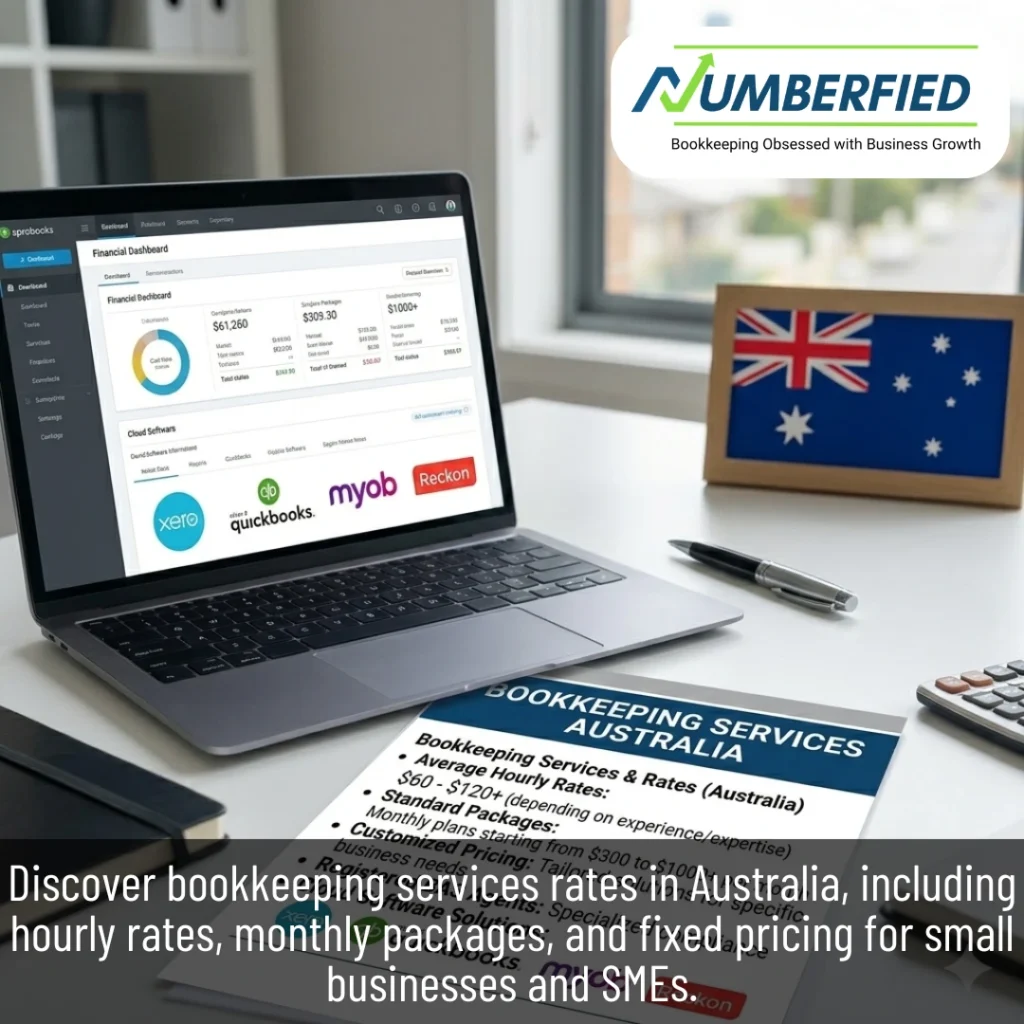
Accurate bookkeeping is essential for businesses of all sizes, including micro businesses, tradies, startups, and SMEs. Understanding bookkeeping services rates in Australia helps business owners budget effectively, manage cash flow, and make informed financial decisions. Rates vary depending on transaction volume, payroll requirements, the complexity of accounting tasks, and the use of cloud software such as Xero. Businesses can hire an in-house bookkeeper, outsource to a bookkeeping firm, or use a hybrid approach, each with its own pricing considerations.
This article explains typical bookkeeping hourly rates, monthly packages, and fixed-price bookkeeping options. It highlights factors that influence rates, regional differences such as Perth and WA, and provides tips to control bookkeeping fees without compromising quality.
Key Takeaways
- Bookkeeping services rates in Australia vary depending on business size, transaction volume, and service complexity.
- Hourly rates generally range from $35 for junior bookkeeping to $130 and above for senior or specialist bookkeepers.
- Monthly bookkeeping packages offer predictable fees ranging from $150 to $3,000 or more, depending on the services included.
- Outsourcing bookkeeping is often more cost-effective than hiring in-house, especially for small businesses and startups, providing flexibility, scalability, and access to specialist expertise.
- Rates are influenced by transaction volume, payroll frequency, complexity, software integrations, and reporting requirements.
- Regional variations, such as Perth and WA, can affect hourly rates and package pricing.
- Cloud accounting, automation, and AI can reduce bookkeeping time and rates while improving accuracy and advisory value.
Bookkeeping Hourly Rates in Australia
Hourly rates are common when hiring a freelance bookkeeper or bookkeeping firm. Junior bookkeepers usually charge between $35 and $55 per hour for basic data entry and reconciliations. Experienced bookkeepers who handle payroll, BAS preparation, and month-end reconciliations typically charge between $55 and $100 per hour. Senior bookkeepers or payroll specialists with advanced expertise often charge $90 to $130 per hour or more.
Rates are influenced by experience, location, transaction complexity, and the accounting software used. Many providers also offer fixed monthly packages as an alternative to per-hour billing.
Monthly Bookkeeping Packages and Fixed-Price Options
Monthly packages provide predictable bookkeeping fees and are suitable for businesses with regular bookkeeping needs. Micro businesses or sole traders usually pay $150 to $600 per month for basic bookkeeping, GST/BAS support, and occasional assistance. Small businesses that require payroll, frequent reconciliations, and reporting often pay $350 to $900 per month. Medium-sized businesses with higher transaction volumes, multiple payroll cycles, inventory management, and software integrations may pay $900 to $3,000 per month or more.
Packages may include core bookkeeping tasks, with additional work billed at hourly rates. Choosing a package that matches your transaction volume and services needed helps control bookkeeping services rates.
Factors Affecting Bookkeeping Services Rates
Several factors influence bookkeeping services rates. Transaction volume directly affects time spent and rates. Complexity, including inventory management, job costing, and multi-entity setups, can increase fees. Frequent payroll, superannuation, and STP reporting add to monthly charges. Advanced accounting software or multiple software integrations require specialist skills, which can also increase rates. Reporting frequency, location, and the bookkeeper’s experience and qualifications further affect bookkeeping services rates.
In-House vs Outsourced Bookkeeping
Hiring an in-house bookkeeper provides direct control, immediate access, and familiarity with your business. However, it includes salaries, benefits, training, and software costs. Outsourcing to a bookkeeping firm can be more cost-effective, providing flexibility, scalability, and access to specialist skills without these overheads. Many businesses adopt a hybrid approach, maintaining minimal in-house bookkeeping while outsourcing complex tasks.
Regional Considerations: Perth and WA
Bookkeeping rates in Perth and WA largely follow national trends. Local demand and cost of living can influence hourly rates. In Perth, hourly rates typically range from $45 to $120, while monthly packages for micro businesses are $150 to $550, and small businesses pay $350 to $900. Bundled services, including payroll or accounting support, can reduce overall bookkeeping services rates.
Technology and Trends Affecting Rates
Cloud accounting software, automation, and AI have transformed bookkeeping services. Cloud platforms reduce manual data entry and allow real-time collaboration, which can lower rates. Automation and AI tools for bank feeds, receipts, and categorisation streamline workflows, letting bookkeepers focus more on advisory services. Businesses can balance cost savings with access to higher-value insights through technology-enabled bookkeeping.
How to Reduce Bookkeeping Services Rates Without Sacrificing Quality
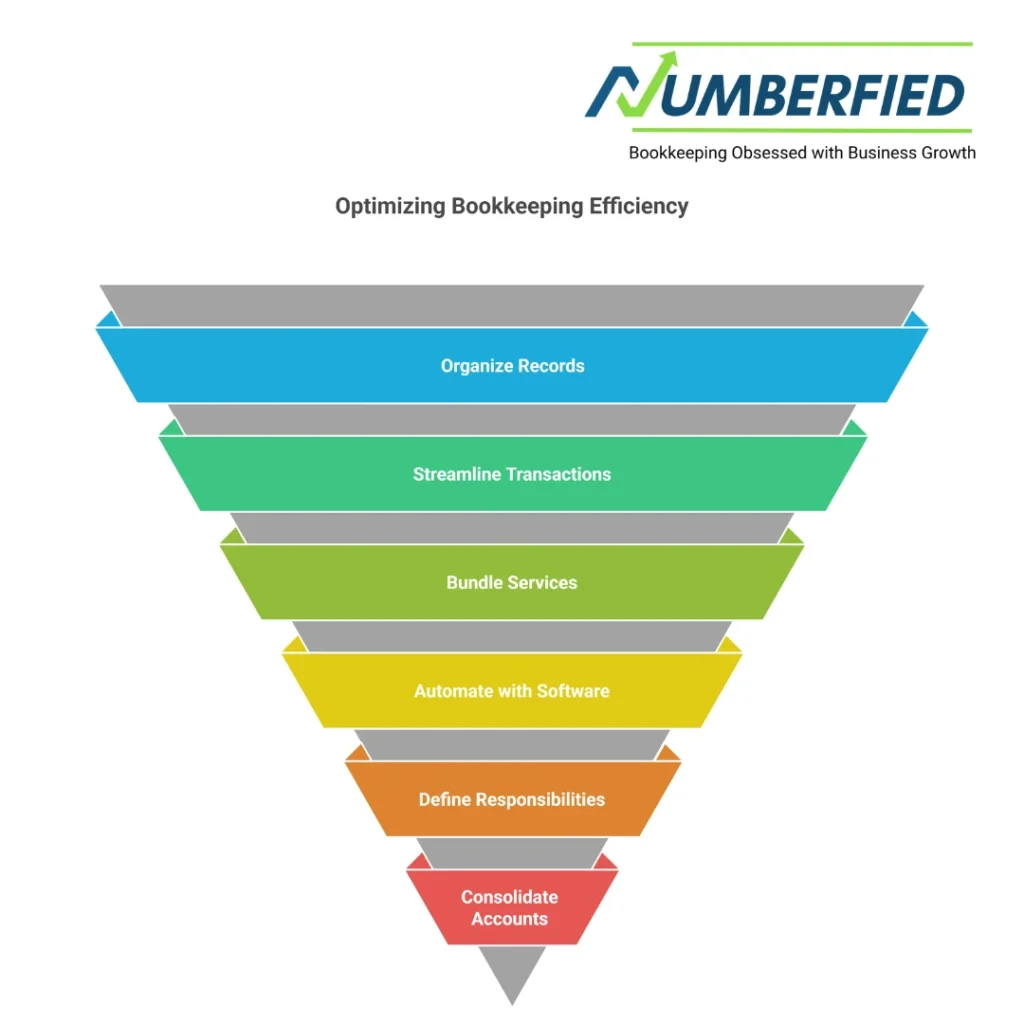
To manage costs, businesses can keep records organised, streamline transaction flows, bundle tasks into a fixed monthly package, use cloud accounting software with automation, define clear responsibilities between in-house staff and bookkeepers, and consolidate accounts to simplify reconciliation. These steps reduce bookkeeping time and rates over time.
Choosing the Right Pricing Model
The choice between hourly rates, monthly packages, or fixed-price bookkeeping depends on business needs. Hourly rates suit ad hoc work. Monthly fees or fixed-price packages provide predictable costs for ongoing bookkeeping. Many providers combine a base monthly fee with hourly rates for extra work, offering flexibility and transparency.
Typical Bookkeeping Services Rates by Business Type
A tradie or sole trader with low transaction volume can expect $200 to $400 per month, including occasional BAS lodgement and payroll for one worker. Retail small businesses with inventory may pay $600 to $1,200 per month, including stock reconciliation and weekly reporting. SMEs with 5 to 20 employees may pay $1,200 to $3,000 or more per month, including payroll, BAS, and advisory support.
Comparing Quotes and Providers
To evaluate bookkeeping services rates, document your transaction volume and service requirements, request detailed quotes including hourly rates and packages, verify provider experience with references, and confirm whether software costs and integrations are included. Compare total monthly cost, time saved, and advisory value, not just hourly rates.
Conclusion
Understanding bookkeeping services rates in Australia, from hourly rates to monthly and fixed-price packages, allows businesses to make informed decisions. By considering transaction volume, payroll, task complexity, and technology, businesses can choose the right provider and pricing model to ensure accurate bookkeeping, timely reporting, and advisory value.
For tailored quotes and expert recommendations, contact Numerfied to compare bookkeeping services rates and find a package that fits your business.
FAQ
What are typical bookkeeping service rates in Australia?
Typical bookkeeping services rates vary: $35–$130+ per hour, depending on experience and location, with monthly packages ranging from $150–$3,000+, depending on business size and complexity.
How much does a bookkeeper charge per hour in Australia?
Bookkeeper hourly rates typically range from $35 to $130 per hour. Specialist or senior bookkeepers may charge above this range.
What does a monthly bookkeeping package usually include?
Monthly bookkeeping packages commonly include bank reconciliations, BAS support, payroll services (if included), monthly reporting and cloud accounting management. Packages vary by provider.
Is outsourcing bookkeeping cheaper than hiring an in-house bookkeeper?
Often, yes, for small businesses. Outsourcing converts fixed salary costs into flexible monthly fees and provides access to specialist skills without on-costs like superannuation and training.
How do transaction volume and payroll affect bookkeeping fees?
Higher transaction volume and complex payroll increase time spent, thereby raising bookkeeping service rates or monthly fees.
Are bookkeeping services rates different in Perth and WA?
Yes. Bookkeeping services rates in Perth and bookkeeping fees in WA can differ from other capital cities depending on local demand, but the ranges remain broadly similar nationally.
Can automation reduce my bookkeeping services cost?
Yes. Cloud accounting and automation reduce manual data entry and time, often lowering bookkeeping fees or allowing you to shift budget towards advisory services.
Should I choose hourly or fixed price bookkeeping?
Hourly suits ad hoc work; a fixed price or monthly fee is better for regular predictable bookkeeping needs. Choose based on your transaction volume and predictability.
Do bookkeeping services rates include accounting software fees?
Not always. Some providers include software setup or subscription in their pricing, others charge separately. Always clarify when getting quotes.
How can I find affordable bookkeeping services pricing without sacrificing quality?
Document your bookkeeping needs, request detailed scopes, compare multiple quotes, leverage automation, and consider outsourcing to reduce bookkeeping costs while maintaining quality.
Also Read: Why Bookkeeping Services Small Business Owners Love Can Transform Your Success