

Introduction
You just locked the door after a long day of showings, and your phone buzzes with another vendor invoice. Before you toss it on the pile, pause. Figuring out how to do bookkeeping for real estate starts with that single receipt, and ends with a business you can run, grow, or sell without guessing. We are the Numberfied team, and we have walked dozens of brokers, flippers, and landlords through this exact process across every state.
This article hands you the playbook we use with clients every week. Follow the steps in order, and your books will stay current without eating your weekends. Skip around if you need a quick fix for one area. Either way, you leave with systems that work.
Here is what we will walk through:
- Building accounts that fit property deals
- Morning routines that stop chaos
- Reports you can read in five minutes
- Mistakes we fix for new clients
- Tools that actually help
Let us jump in.
Building Accounts That Match Your Deals
Start here, or everything else gets messy. This is the foundation of how to do bookkeeping for real estate.
List Every Money Stream You Touch
Grab a notepad. Write down rents, sales commissions, referral checks, flip profits, everything that hits your bank. Next to each, note the property or agent involved. This list becomes your income categories when you learn how to do bookkeeping for real estate.
Open sub-accounts for each address. Rent from 123 Main goes to 123 Main Income, not a generic bucket. Same for expenses. Clients tell us this one change makes tax time feel automatic.
Separate Client Money from Day One
Escrow checks and security deposits never mix with operating cash. Open a trust checking account at your bank. Mirror it in QuickBooks as a liability. Tag every deposit with the tenant name and move-out date.
We set this up for every new client. One missed label can trigger a state audit; avoid the headache. This separation is non-negotiable in how to do bookkeeping for real estate.
Track Agent Splits Without Spreadsheets
Create a payout grid in your software. Columns for closing date, gross commission, office share, bonuses, and net check. Pull the gross from the closing statement, let the software calculate the rest.
Agents get paid the same week, and you keep a paper trail. This grid is gold when you master how to do bookkeeping for real estate.
Morning Habits That Save Weekends
Ten minutes each day beats ten hours each month. This consistency is key to how to do bookkeeping for real estate effectively.
Pull Yesterday’s Bank Activity
Open your accounting app on your phone while coffee brews. New charges appear overnight. Match the gas receipt from yesterday’s showing to the card charge. Tag the property.
Set rules once: Verizon bill always hits Office Utilities. Amazon charges for routes to Office Supplies. Automation handles the repeats.
Snap Receipts Before They Fade
Receipt ink disappears in wallets. Photograph every paper the moment you get it. Upload to a folder named by month and property. Name the file “HomeDepot-123Main-0715”.
Digital copies beat shoeboxes. Search “plumbing” and find every invoice in seconds.
Log Owner Cash In and Out
Write yourself a check from the business? Record it as Owner Draw. Deposit personal funds for a repair? Call it Owner Contribution. Keep a running equity total.
Clear lines stop IRS questions later. We review these entries monthly with clients. It’s a simple but crucial part of how to do bookkeeping for real estate.
Reports You Actually Need
Skip the 50-page packets. Run these three.
Profit by Property Each Month
Filter your profit and loss to one address. See rent collected, mortgage paid, and repairs billed. Subtract debt service for cash left over.
Spot the unit losing money fast. Raise rent or replace the water heater, your call, backed by numbers.
Tenant Balances at a Glance
Export the aging report. Anyone over 30 days turns red. Email statements with one click. Follow up the same day.
Cash keeps flowing when you stay on top of receivables. This report drives collections.
Cash Forecast for the Next 30 Days
List expected rents, known bills, and payroll dates. Update every Monday. See shortfalls before they hit.
Plan the marketing spend or delay the office paint job. Forecasting is a core skill in doing bookkeeping for real estate.
Mistakes We Catch Every Week
Learn from other people’s headaches.
Paying Personal Bills from Business Accounts
Groceries on the company card? Move the charge to Owner Draw and reimburse the business. Never leave it mixed.
Clean separation protects every deduction. Train new agents on day one. This is a common first lesson in how to do bookkeeping for real estate.
Skipping Monthly Trust Reconciliations
Print the trust bank statement. Match every security deposit in and out. Initial the report and file it.
State regulators check these files. One mismatch can cost your license.
Lumping All Repairs Together
Paint the hallway or replace the furnace, both hit repairs, but only the furnace gets capitalized. Split the invoice correctly.
Accurate asset records mean bigger tax write-offs over time. Understanding capitalization vs. expense is central to how to do bookkeeping for real estate.
Tools That Work Without Drama
Pick one and stick with it.
QuickBooks Online for Most Owners
Sign up for the Plus version. Turn on class tracking for properties and location tracking for flips. Import our starter file to skip setup.
One afternoon of training and you are live. Bank feeds and mobile apps keep it current. Good tools are essential for doing bookkeeping for real estate.
Link Rent Collection Apps
Yardi, RentRedi, or Cozy push payments straight to QuickBooks. Tenant pays online, rent posts automatically, and late fees calculate themselves.
No more manual rent logs. Integration is the modern way to handle how to do bookkeeping for real estate.
Mobile Expense Apps
Expensify lets agents photograph receipts on site. The photo routes to the manager for approval, then posts to the books.
Field work stays organized without extra steps.
Tax Prep That Happens All Year
April surprises disappear with steady habits.
Tag Expenses for Schedule E or C
Office rent goes to business expense. Property taxes hit the specific address. Vehicle miles get their own line.
Run a tax bucket report quarterly. Estimate payments and avoid underpayment penalties.
Mileage Logs That Pass Audits
Open a note on your phone. Every trip: date, start address, end address, purpose, miles. Total at month-end.
The IRS wants contemporaneous records. Phone notes count. Detailed logs are a must-know component of how to do bookkeeping for real estate.
Year-End Hand-Off Packet
By January 15, gather mortgage 1098s, property tax statements, and 1099s issued. Export your trial balance and detailed ledger.
Your CPA files faster and bills less. We deliver these packets to every client.
Growing Without Breaking the System
Add properties, not headaches.
Give Team Members Specific Access
Agents see only their commission reports. Property managers approve vendor bills. Owners view everything.
Permissions keep data safe while workflows.
Separate LLCs but Combine When Needed
Each new entity gets its own company file. Run consolidated reports for the bank or partners.
Structure matches legal setup without double work.
Quarterly Check-Ups
Meet with your bookkeeper every three months. Review new categories, clean old ones, update forecasts.
Systems stay sharp as the business changes.
Conclusion
You now have the full playbook for how to do bookkeeping for real estate, accounts, habits, reports, fixes, tools, taxes, and growth steps. Start with the chart of accounts this week. Add one morning routine next week. Watch the clarity build. This guide is your starting point for mastering how to do bookkeeping for real estate.
We live these steps daily at Numberfied with clients from coast to coast. Ready to hand off the details or get a second set of eyes? Head to https://numberfied.com/ and book a quick call. Let us keep the books so you can keep the deals coming.
Also Read: Virtual Bookkeeping Services: The Modern Solution Every U.S. Business Needs And Fast!
FAQs
I only own two rentals, do I still need to learn how to do bookkeeping for real estate this way?
Yes, because even two properties create mortgage statements, repair bills, tenant deposits, and tax forms every year. Set up separate accounts for each address now and save hours when you add the third or fourth unit.
What do I do with a tenant who pays partial rent?
Record the exact amount received against the tenant’s invoice. Leave the balance open on the aging report. Send a partial payment notice the same day so the shortfall stays visible until paid in full.
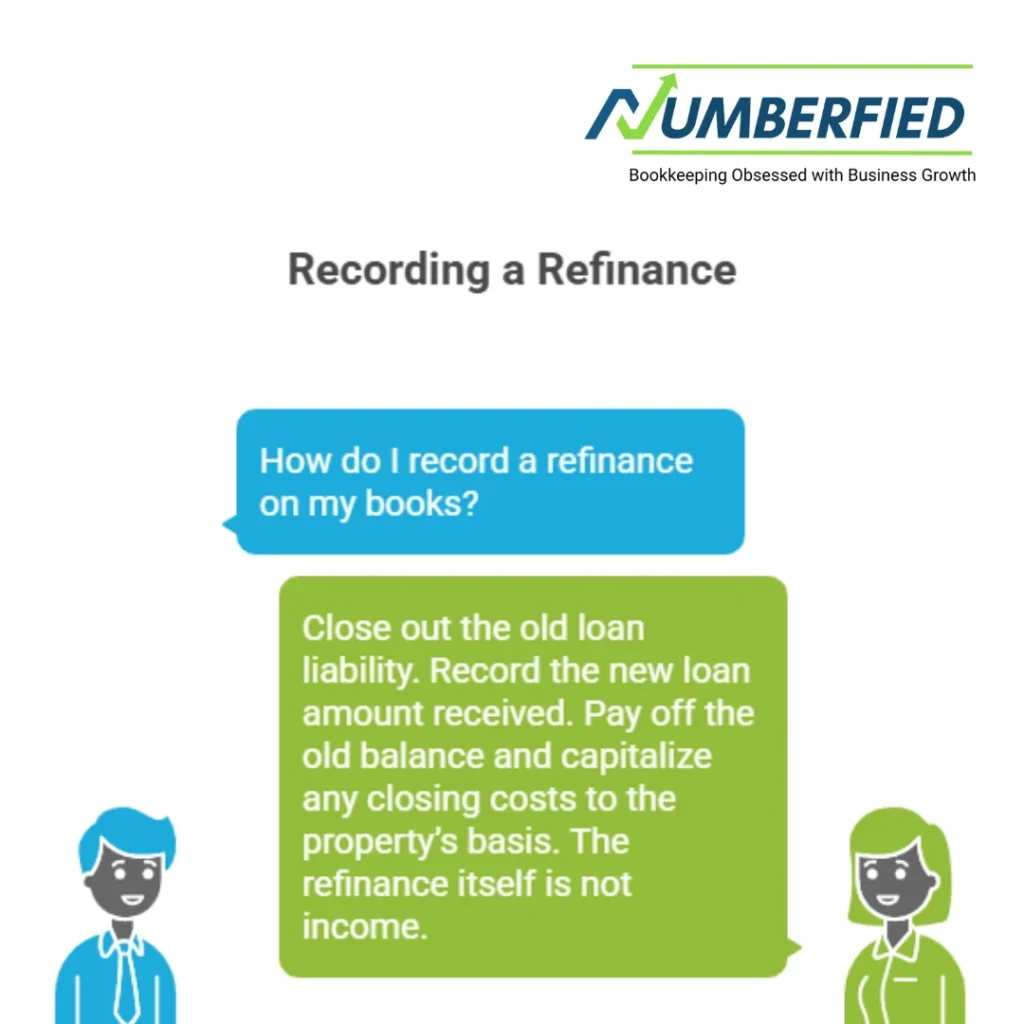
How do I record a refinance on my books?
Close out the old loan liability. Record the new loan amount received. Pay off the old balance and capitalize any closing costs to the property’s basis. The refinance itself is not income.
Can I use Excel instead of accounting software?
You can start there, but bank feeds, audit trails, and multi-user access require proper software. Move to QuickBooks before you hit twenty transactions a month to avoid re-entering everything later.
Who issues 1099s for contractors I pay?
You do, if you pay any non-corporate contractor more than $600 in a calendar year for repairs, landscaping, or staging. Pull the report from QuickBooks in January and file by the 31st.
What if I forget to enter a receipt for three months?
Gather the missing bank charges and match them to your statements. Enter the transactions in the correct month, even if you are catching up today. The books stay accurate for taxes and trends.
How do I show my partner what each property earns?
Run the profit and loss by class report filtered to one property. Export to PDF and email. Include the mortgage payment and any owner draws to show true cash flow.
Should I track furniture separately from the building?
Yes. Appliances and furniture depreciate over five or seven years; the building over 27.5. Keep a fixed asset list with purchase date and cost for each item.
What happens when I evict a tenant and keep part of the deposit?
Transfer the kept amount from the security deposit liability to income labeled “Damage Recovery” for that property. Document the reason and photos to support the deduction.
How do I know my books are ready for a bank loan?
Reconcile every account through last month. Print profit and loss and balance sheet for the past two years. Have your CPA review for any reclassifications. Clean books speed approval.