
Introduction
Nonprofit finance directors, executive directors, and board members face a common challenge: balancing mission-focused work with the complex, time-consuming financial processes that keep the organization running. Choosing to outsource accounts receivable services for non-profit operations is a strategic decision that can streamline financial management, improve cash flow, and strengthen internal controls without diverting staff away from programs that serve funders and donors.
When you outsource accounts receivable services for non profit use, you access specialized nonprofit accounting and accounts receivable management expertise, automation tools, and standardized processes designed to preserve donor relationships, accelerate payments from customers and funders, and support accurate financial reporting. The result: more predictable receivables, better month-end closing, and real-time insights to guide program investment decisions.
Core benefits of outsourcing accounts receivable services for a non-profit
1. Steady cash flow and improved liquidity
Outsourced accounts receivable solutions prioritize timely invoice delivery, follow-up, and payment processing services. By automating reminders, applying consistent collections procedures, and managing receivables aging, organizations realize a steady cash flow that supports day-to-day operations, payroll processing services, and program delivery.
2. Access to nonprofit accounting specialists
Outsourcing services include access to teams experienced in accounting for nonprofits and unique financial requirements such as restricted funds, grant billing, and funder-specific invoicing. This specialization reduces errors in billing, supports accurate financial statements, and helps ensure compliance with grant terms and audit expectations.
3. Cost-effective alternative to maintaining in-house staff
Hiring and training an in-house accounting team with deep nonprofit accounts receivable expertise can be costly. Outsourced accounts receivable offers a cost-effective model, often flexible and scalable, so nonprofits can pay for services as needed and avoid recruitment, benefits, and overhead costs.
4. Stronger internal controls and compliance
Professional outsourced accounting services implement internal controls, segregation of duties, and standardized workflows that reduce fraud risk and improve audit readiness. These services support compliance with donor reporting requirements, grantor terms, and nonprofit accounting standards.
5. Operational efficiency and automation
Modern outsourced accounts receivable providers use accounting software, automation, and digital transformation to reduce manual processing, accelerate invoice-to-cash cycles, and deliver real-time insights into receivables performance. This reduces month-end closing time and improves financial tracking.
6. Focus on mission-critical work
When you outsource accounts receivable services for non-profit organizations, program staff and leadership can concentrate on fundraising, service delivery, and strategic growth while finance operations are handled by a specialist partner.
In-house vs. outsourced accounts receivable: a clear comparison
Deciding between in-house and outsourced AR requires weighing costs, control, expertise, and risk. Below is a concise comparison to guide decision-makers.
In-house accounts receivable
- Pros: Direct control over processes and immediate access to staff; easier integration with internal teams and organizational culture.
- Cons: Higher fixed costs for staff, ongoing training, limited access to specialized nonprofit accounting expertise, greater risk during staff turnover, and potential for inconsistent processes or weak internal controls.
Outsourced accounts receivable
- Pros: Access to nonprofit-specialized teams, cost-effective, scalable services, automation and accounting software expertise (including Sage Intacct integrations), improved compliance and audit readiness, and standardized business process outsourcing (BPO) benefits.
- Cons: Requires careful vendor selection, transition planning, and strong contract terms to protect donor data and ensure service-level agreements for cash management, invoice processing, and financial reporting.
For many nonprofits, a hybrid model outsourcing core receivables processing while retaining strategic financial management in-house balances control with operational efficiency.
Key features to require from an outsourced accounts receivable partner
When you decide to outsource accounts receivable services for non-profit operations, prioritize providers that deliver the following features and capabilities:
Nonprofit accounting expertise
Choose partners experienced with accounting for nonprofits, restricted fund accounting, grantor invoicing, and funder reporting. Their knowledge of nonprofit accounting standards and unique financial requirements reduces errors and improves audit outcomes.
Comprehensive financial processing services
Services should include invoice generation, electronic delivery, payment processing, reconciliations, cash management, and receivables aging. Integration with accounts payable, payroll, and financial statements ensures end-to-end financial operations management.
Real-time insights and reporting
Robust dashboards, KPI tracking, and real-time reporting on receivables aging, days sales outstanding (DSO), and cash forecasting help leadership make data-driven decisions and present accurate financial reporting to boards and funders.
Automation and accounting software expertise
Look for partners familiar with nonprofit-friendly accounting software like Sage Intacct, Blackbaud Financial Edge, or other systems. Automation reduces manual errors, speeds up processing, and streamlines month-end closing.
Strong internal controls and audit support
Providers should demonstrate strict segregation of duties, secure data handling, and documented processes that support accurate financial statements and smooth audits.
Customization and scalability
Nonprofits have unique financial needs. The ability to customize invoice formats, billing cycles, and reporting, plus scale services as your organization grows, ensures long-term fit.
Compliance and security
Confirm the partner’s compliance with data protection standards, donor confidentiality, and funder-specific requirements. Services should support accurate financial tracking and compliance-ready documentation.
Common challenges and mistakes when outsourcing accounts receivable
Even with clear benefits, outsourcing accounts receivable services for non-profit organizations can encounter pitfalls. Anticipating these helps you avoid delays and protect your financial health.
Poor vendor due diligence
Skipping thorough vetting of a provider’s nonprofit experience, internal controls, or references can lead to mismatched expectations. Ask for case studies, audit records, and client references from similar nonprofit organizations.
Vague scope and performance metrics
A lack of defined service-level agreements (SLAs) for invoice turnaround time, DSO reduction goals, or reporting frequency can cause frustration. Establish clear, measurable expectations for services involved in accounts receivable outsourcing.
Data migration and integration issues
Failure to plan for clean data migration, chart of accounts mapping, and accounting software integration can delay implementation and harm financial reporting. Ensure the partner offers experienced data migration services and technical support for systems like Sage Intacct or Blackbaud.
Insufficient change management
Not preparing staff and stakeholders for process changes, especially for back-office and accounting teams, creates resistance. Communicate benefits, provide training, and define roles during the transition.
Overlooking contract terms
Contracts should protect your organization’s financial data, define termination procedures, and include clauses for confidentiality, compliance, and audit assistance. Don’t accept one-size-fits-all agreements without legal review.
Step-by-step guide to selecting and implementing outsourced AR services
Step 1: Clarify objectives and scope
Define why you want to outsource accounts receivable services for non-profit work. Common objectives include improving cash flow, reducing costs, increasing accuracy, and freeing staff time. Determine which tasks you want to outsource: invoicing, payment processing, receivables collections, reconciliations, reporting, or a full back-office solution.
Step 2: Map current processes and pain points
Document existing workflows, timing for invoicing and collections, software in use, and pain points, such as late payments from funders, manual reconciliation, or month-end delays. This baseline helps evaluate vendor proposals and measure post-implementation success.
Step 3: Build evaluation criteria
Use criteria that reflect your nonprofit’s priorities: nonprofit accounting experience, software integration (Sage Intacct, Blackbaud, QuickBooks Nonprofit), SLA commitments, pricing model, security and compliance, references, and ability to customize services.
Step 4: Request proposals and check references
Ask providers for detailed proposals that outline the services included, implementation timelines, pricing, onboarding, and case studies. Contact client reference, ideally other nonprofits, to validate outcomes and service quality.
Step 5: Negotiate contract and SLAs
Define performance metrics such as invoice turnaround, DSO reduction targets, reconciliation timelines, and reporting cadence. Include terms for confidentiality, data ownership, termination, and audit support.
Step 6: Plan implementation and data migration
Create a project plan with milestones: chart of accounts alignment, data migration, systems integration, staff training, and parallel testing. Ensure the provider will customize workflows to handle restricted funds and donor-specific billing requirements.
Step 7: Pilot and transition
Start with a pilot one revenue stream or grant to validate processes, reporting, and service delivery. Use pilot results to refine procedures and expand services incrementally to avoid disruption to operations.
Step 8: Monitor performance and continuous improvement
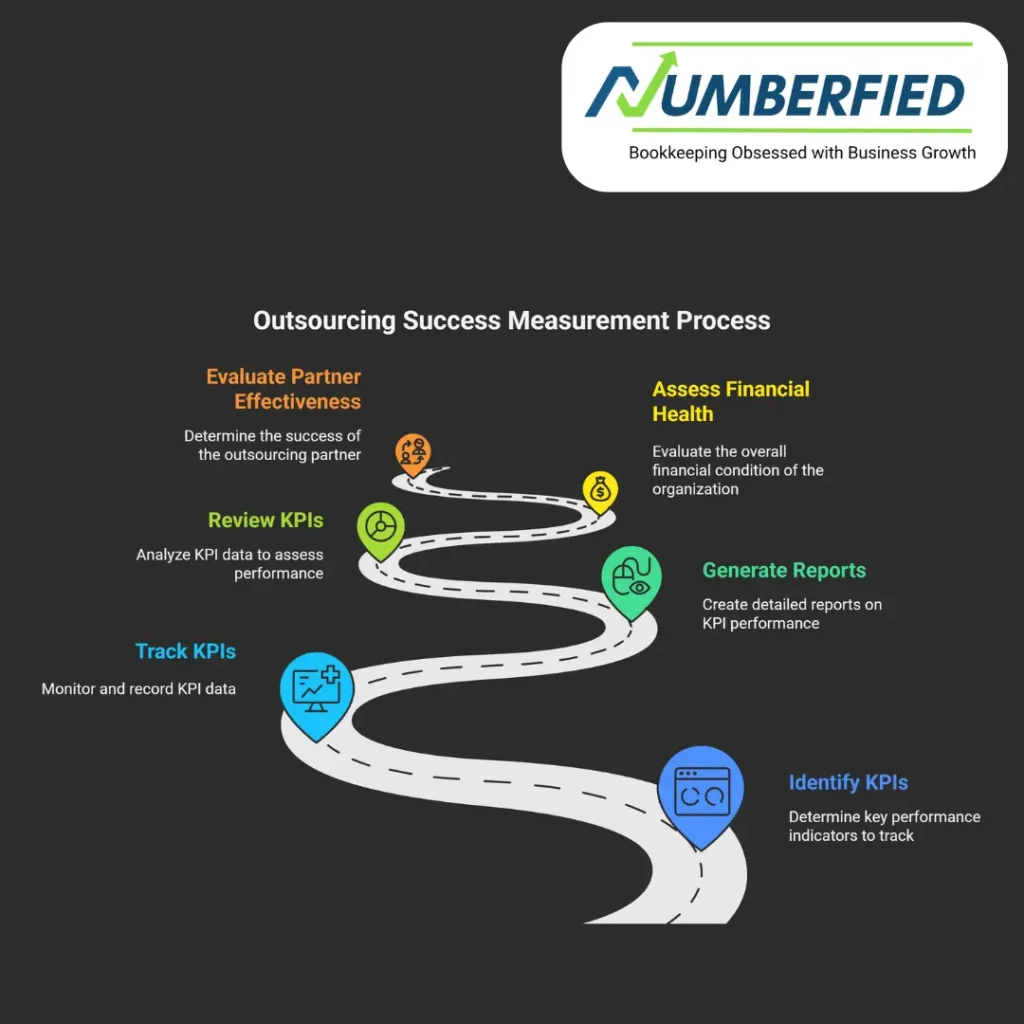
Track KPIs, hold regular review meetings, and use real-time dashboards to ensure the partnership meets financial goals. Use continuous improvement processes to automate more tasks and refine internal controls.
Top nonprofit-specialized providers and types of solutions
There are several categories of providers that offer accounts receivable outsourcing for nonprofits. Evaluate each based on your organization’s size, complexity, and technology stack.
1. Technology-first providers with managed services
These providers combine accounting software (for example, Sage Intacct or Blackbaud integrations) with managed receivables teams that handle invoicing, collections, and reconciliations. They are strong on automation, real-time insights, and integration.
2. Nonprofit accounting and consulting firms
Established accounting firms that specialize in nonprofit accounting and compliance often offer outsourced accounting services and accounts receivable management for nonprofits. They bring deep compliance and audit experience and can support comprehensive financial statements and month-end closing.
3. Business process outsourcing (BPO) providers
BPO firms deliver scalable back-office services and can support high-volume processing needs. They are appropriate for larger nonprofits or federations requiring global services and complex cash management.
4. Boutique outsourced accounting providers
Smaller firms that focus on nonprofits offer personalized service, customization, and close collaboration with your internal team. They are ideal for medium-sized organizations that need tailored solutions and hands-on support.
When evaluating providers, look for demonstrated experience in nonprofit accounting, a clear list of services included, robust security practices, and a track record of improving cash management, accuracy, compliance, and operational efficiency.
Measuring success: KPIs and reporting to track
To ensure your decision to outsource accounts receivable services for non-profit delivers value, track the following KPIs and reports:
- Days Sales Outstanding (DSO)
- Receivables aging by fund and donor
- Percent of invoices billed electronically
- Collection rate and average payment time from funders
- Month-end close time and accuracy of financial statements
- Cash forecasting accuracy and real-time cash position
- Number of billing disputes and resolution time
Regular review of these KPIs, paired with dashboards and financial reporting, helps leadership and boards assess financial health and the effectiveness of the outsourced partner.
Checklist: Questions to ask prospective outsourced accounts receivable partners
- Do you have experience with nonprofit accounting and funder-specific invoicing?
- Which accounting systems and integrations do you support (Sage Intacct, Blackbaud, QuickBooks Nonprofit)?
- What services are included: invoice processing, collections, reconciliations, and reporting?
- Can you customize workflows for restricted funds and donor billing requirements?
- What SLAs and KPIs do you commit to for DSO, invoice turnaround, and reporting?
- How do you safeguard financial data and ensure compliance?
- Do you provide audit support and documentation for financial statements?
- Can you scale services as our organization grows?
Conclusion
To help your organization stay focused on its mission, consider how to best allocate resources. When you outsource accounts receivable services for non-profit organizations, you invest in predictable cash flow, accurate financial reporting, strong internal controls, and operational efficiency. The right partner becomes an extension of your finance team, helping nonprofits comply with funder requirements, streamline financial processes, and deliver better program outcomes.
Whether you choose a technology-first solution, a nonprofit accounting firm, a BPO provider, or a boutique partner, the key is selecting a provider that understands the unique financial needs of nonprofits and can customize services to match your organization’s structure and funder relationships.
Take the next step
If your nonprofit is ready to reduce receivables risk, speed up cash flow, and free staff for mission-critical work, explore a no-cost consultation to evaluate how to outsource accounts receivable services for nonprofit needs. A short discovery call will clarify current pain points, outline a roadmap for implementation, and estimate potential savings and cash flow improvements, helping your organization focus on what matters most.
Request your free consultation today to explore outsourced accounts receivable options tailored to nonprofits.
Frequently asked questions
Will outsourcing accounts receivable reduce my control over finances?
No properly structured outsourcing enhances control through documented processes, stronger internal controls, and regular transparent reporting. Contracts and SLAs should specify access to financial data, audit assistance, and compliance reporting.
How long does implementation typically take?
Implementation timelines vary by scope and complexity. A phased approach often takes 6–12 weeks for a pilot and 3–6 months for full transition, including data migration, accounting software integration, and staff training.
Can outsourced providers handle restricted funds and grant billing?
Yes, reputable nonprofit outsourced accounting services have experience managing restricted funds, funder billing requirements, and producing compliant financial statements for audits and funder reporting.
Will outsourcing save money?
Most nonprofits realize cost savings through reduced overhead, lower error rates, faster cash collections, and fewer staffing disruptions. Savings also come from improved cash management and reduced time to close books.
What are outsource accounts receivable services for non profit organizations?
Outsource accounts receivable services for non profit involves contracting a specialized provider to manage donor pledges, grants receivable, invoices, payment processing, and collections so the nonprofit can focus on mission work while improving cash flow and reporting accuracy.
How can outsourcing accounts receivable services for a non-profit help improve cash flow?
By outsourcing accounts receivable services for non profit organizations, they gain faster invoice generation, automated payment reminders, professional follow-up on unpaid pledges, electronic payment options, and reconciliation processes that reduce days sales outstanding (DSO) and accelerate cash inflows.
Are outsource accounts receivable services for non profit cost-effective?
Yes. Outsource accounts receivable services for non profit to typically lower overhead by reducing staff time, minimizing errors, and cutting technology costs. Providers offer scalable pricing models that can be more affordable than maintaining an in-house AR team, especially for small to mid-sized nonprofits.
How do I choose the right partner to outsource accounts receivable services for my non profit?
Evaluate experience with nonprofits, integration with your CRM and accounting systems, reporting capabilities, references, pricing transparency, scalability, and the provider’s approach to donor communications. A good partner for outsource accounts receivable services for non-profit will tailor workflows to your funding and reporting cycles.
Can outsource accounts receivable services for non profit improve donor relations?
Yes. Professional, timely invoicing and payment processing, clear communication about pledge balances, and flexible payment options offered by outsource accounts receivable services for non profit enhance donor trust and retention while ensuring transparent financial stewardship.
Read Also: Virtual Bookkeeping Services for Small Businesses That’ll Change Your Life!