

Introduction
White label services for CPAs are an efficient way to broaden service lines, improve client satisfaction, and increase profitability while keeping your firm’s brand front and center. We understand the pressures CPAs face: tight deadlines, evolving compliance demands, and the constant need to differentiate. This article explains why white label options are important, how they work, and practical steps to integrate them into your firm’s offerings.
Hook: Want to deliver more services to clients without hiring specialists or investing in costly infrastructure? White label solutions let you do exactly that by partnering with trusted providers who operate behind your brand. The result: high-quality deliverables, faster turnaround, and predictable costs.
Key Takeaways
- White label services for CPAs let firms expand service lines quickly and cost-effectively.
- They preserve your brand while outsourcing specialized tasks to vetted partners.
- Adopting the right partner reduces risk, ensures compliance, and improves client retention.
- We recommend a careful vendor selection process and clear client communication when implementing these solutions.
Understanding White Label Services for CPAs
Definition and Core Concept
White label services are third‑party solutions delivered under your firm’s branding. For CPAs, this can include bookkeeping, payroll processing, tax preparation, IT support, advisory analytics, and more. These services are integrated into your client offering without revealing the external provider.
Why CPAs Choose White Label Solutions
Firms adopt white label services to scale quickly, manage seasonal workloads, and access specialized expertise. This model keeps overhead low and enables firms to respond to market demands without long hiring cycles.
Common White Label Service Types
Typical offerings include outsourced bookkeeping, tax filing, forensic accounting, fractional CFO services, payroll, and cloud migration. Each service can be tailored to a firm’s workflow and client base.
Business Benefits of White Label Services for CPAs
Cost Efficiency and Scalability
White label partnerships reduce fixed costs by converting internal expenses into predictable variable costs. Firms scale services up or down according to demand and avoid the long-term commitment of new hires.
Faster Time to Market
Instead of building expertise in-house, CPAs can launch services immediately by partnering with experienced vendors. This speed is valuable for responding to client requests and competitive pressures.
Focus on Core Competencies
By delegating routine or specialized tasks, CPAs can focus on advisory work, client relationships, and growth strategies that drive higher margins.
Operational Considerations When Using White Label Services for CPAs
Quality Control and Standards
Ensure your partner adheres to professional standards, has robust quality assurance processes, and maintains documentation for audits. A formal service-level agreement clarifies expectations.
Data Security and Compliance
Vetting a partner’s security protocols is essential. Confirm encryption practices, access control, incident response, and compliance with HIPAA, SOC 2, and other relevant frameworks where applicable.
Integration with Existing Systems
Assess APIs, file transfer methods, and compatibility with your accounting software. Smooth integration reduces manual work and minimizes errors in client deliverables.
How to Select the Right White Label Partner
Evaluate Experience and Specialization
Choose partners with proven experience in accounting and financial services. Look for case studies, client testimonials, and industry certifications that align with CPA needs.
Review Pricing Models
Compare per-client, per-report, or subscription pricing. Transparent pricing helps you price your services competitively while preserving margins.
Request References and Trial Periods
Ask for references from firms similar in size and service mix. Short trial engagements reveal operational fit and deliverable quality before committing to long-term contracts.
Service Implementation and Client Communication
Onboarding Process
Map a clear onboarding workflow that includes client consent, data transfer, and timelines. A structured process builds confidence and reduces confusion.
Client Disclosure and Branding
Decide how much you disclose to clients. Many firms maintain the white label model completely behind their brand, while others are transparent about partnerships for certain services.
Managing Expectations and SLAs
Define turnaround times, revision policies, and escalation paths. Clear service-level agreements with both the partner and the client protect all parties.
Pricing Strategies Using White Label Services for CPAs
Markup Models
Common approaches include cost-plus markups, fixed-fee packages, and tiered pricing. Determine which model aligns with your client base and value proposition.
Bundling and Packaging
Bundle white label offerings with your advisory services to create higher-value packages. Packaging helps simplify sales conversations and increases average client revenue.
Performance-Based Fees
Consider performance-linked pricing for certain advisory outcomes. This aligns incentives and can differentiate your firm in the market.
Technology and Automation in White Label Services for CPAs
Leveraging Cloud Platforms
Cloud solutions enable real-time collaboration, centralized data access, and automated workflows between your firm and the white label provider. This reduces errors and improves delivery speed.
Automated Reporting and Dashboards
Automated reports and client dashboards enhance transparency and add perceived value. Ensure your white label partner offers customizable reporting aligned with your branding.
AI and Advanced Analytics
Partners using AI can produce insights faster and highlight trends for clients. Evaluate models for explainability and ensure outputs meet professional standards.
Risk Management and Legal Considerations
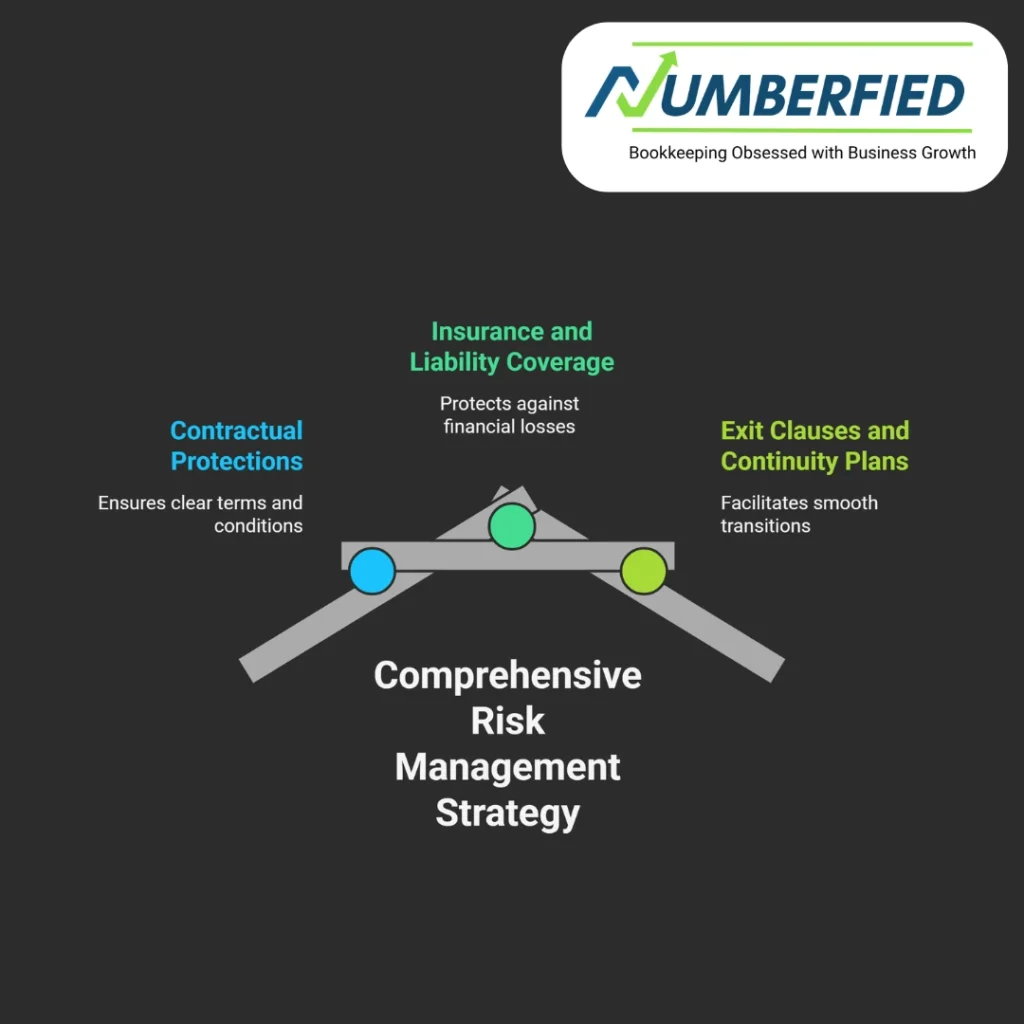
Contractual Protections
Include confidentiality clauses, liability limits, and indemnification in contracts. Define responsibilities for errors, omissions, and regulatory compliance.
Insurance and Liability Coverage
Confirm the partner’s professional liability insurance and ensure coverage levels are sufficient to protect your firm and clients.
Exit Clauses and Continuity Plans
Plan for continuity if a partner relationship ends. Include data return provisions and transition support to maintain uninterrupted service to clients.
Measuring Success of White Label Services for CPAs
Key Performance Indicators
Track metrics such as client satisfaction, turnaround time, error rates, and revenue per client. KPIs reveal areas for improvement and validate the partnership’s value.
Client Feedback and Retention
Regularly solicit client feedback and review retention rates. Positive outcomes help reinforce the decision to use white label services.
Continuous Improvement
Use performance data and client input to refine processes, update service offerings, and renegotiate terms with partners when needed.
Case Examples and Use Cases
Small Firm Expanding Advisory Services
A regional CPA firm used white label analytics to offer CFO advisory services without hiring senior staff, resulting in new revenue streams and stronger client relationships.
Seasonal Volume Management
During busy tax seasons, outsourcing overflow returns via a white label provider enabled a firm to meet deadlines and maintain quality without permanent hires.
Specialized Compliance Projects
Firms working on complex compliance projects employed white label forensic accounting and SOC reporting experts to complete engagements that were outside their core capabilities.
How We Work with Firms on White Label Services
Consultative Assessment
We begin with an assessment of your current services, client needs, and operational gaps. This helps identify which white label solutions will bring the most value.
Customized Integration Plans
We design a step-by-step integration plan that includes technology, workflows, and training to ensure a smooth transition for your team and clients.
Ongoing Partnership and Support
We provide continuous oversight, performance reviews, and optimization to ensure the white label services deliver consistent quality and measurable ROI.
Conclusion
Adopting white label services for CPAs is a strategic way to expand service offerings, improve client satisfaction, and grow revenue without taking on the full burden of hiring and infrastructure. With careful partner selection, clear processes, and a focus on quality and security, firms can deliver more value to clients while protecting their brand and profitability. If you are ready to explore how white label solutions can fit your firm, contact us at Numberfied for a tailored consultation and next steps.
Frequently Asked Questions
What are white label services for CPAs?
White label services for CPAs are third-party solutions delivered under your firm’s brand, allowing you to offer additional services without building internal capacity. They cover areas like bookkeeping, payroll, tax, and advisory support, and are designed for seamless integration with your firm. Vetting for quality, security, and compliance is essential when choosing a white label partner.
How do white label services affect client relationships?
They can strengthen relationships by enabling a broader service offering and faster delivery while preserving your firm’s brand identity. Transparent communication and consistent quality are key to maintaining client trust during outsourcing arrangements. Decide on disclosure levels that align with your firm’s values and client expectations.
Are white label services secure?
Security depends on the partner’s controls, including encryption, access management, and incident response protocols. Always require evidence of compliance audits, such as SOC reports, and inquire about data handling and retention policies. Include security requirements in contracts and conduct periodic reviews to ensure ongoing protection.
How are pricing and margins managed?
Pricing models vary: cost-plus, fixed fees, subscription, or tiered packages are common approaches. Determine markups that reflect your value-add, ensure competitiveness, and maintain healthy margins. Bundling white label services with advisory offerings can increase average client revenue and simplify pricing.
Can small firms benefit from white label services?
Yes, small firms gain quick access to advanced services without large investments in staff or technology. White label options help manage peak workloads and expand service lines to attract new clients. Selecting the right partner and starting with pilot projects reduces risk and demonstrates value.
What legal protections should be in place?
Contracts should include confidentiality, liability limits, indemnification, and clear scopes of work.
Ensure data return and transition clauses are present to maintain continuity if the partnership ends. Confirm that the partner carries adequate professional liability insurance to protect your firm.
How long does implementation take?
Implementation timelines vary by service complexity but can range from a few weeks to a few months. Structured onboarding, clear data transfer plans, and testing accelerate deployment and reduce disruption. Start with a pilot to validate processes and then scale based on performance and client feedback.
What KPIs should firms track?
Key metrics include client satisfaction, turnaround time, error rates, revenue per client, and retention rates. Regular monitoring helps identify issues early and guides continuous improvement efforts. Use dashboards and automated reporting to keep stakeholders informed and aligned.
Is client consent required?
Yes, obtain client consent when transferring their data or engaging third-party providers as part of professional and ethical obligations. Document consent procedures and inform clients about how their data will be used and protected. Transparency fosters trust and helps avoid misunderstandings about the relationship with the white label provider.
How can we start exploring white label services?
Begin with an internal assessment of needs, service gaps, and client demand to identify priority areas for outsourcing. We recommend pilot engagements with vetted partners and clear KPIs to evaluate fit and performance before scaling. Contact us at Numberfied for a consultative assessment and to explore tailored white label solutions.
Read Also: The Amazing Way Bookkeeping and Accounting Services in USA Can Skyrocket Your Success!