

Introduction
At Numberfied, we empower business owners with clear, accurate insights into their financial data so they can make confident, informed decisions about their operations and growth. Understanding bookkeeping costs is a critical part of that process. Yet, pricing can vary widely depending on factors such as business size, transaction volume, industry complexity, and the level of expertise required. This guide provides a detailed overview of average bookkeeping rates across the USA, explains the key drivers of pricing, and offers practical tips for evaluating bookkeeping proposals to ensure you receive the best value for your investment. It also highlights how Numberfied’s tailored, transparent approach can support your unique bookkeeping needs, helping you maintain compliance, improve financial visibility, and focus more on growing your business.
Key Takeaways
- Average bookkeeping rates vary by experience, service scope, and location.
- Choosing between hourly, monthly, or project pricing depends on your business goals.
- Transparent scopes of work and technology choices reduce surprises.
- Numberfied offers tailored solutions to match your budget and needs.
Why Average Bookkeeping Rates Matter
Context for business owners
Understanding average bookkeeping rates helps you budget accurately and compare service offers. Whether you are a startup, a growing small business, or an established firm, knowing typical pricing models empowers smarter decisions.
How this guide helps
This article blends practical insights and commercial guidance to help you evaluate bookkeeping services. We cover pricing models, driver factors, negotiation tips, and when to contact Numberfied for personalized support.
How to use this information
Use the sections to benchmark expectations, prepare questions for providers, and build a plan that aligns with your financial and operational needs. Keep your goals in mind as you review average bookkeeping rates and options.
Pricing Models Explained
Hourly bookkeeping rates
Hourly pricing is common for intermittent or irregular work. It offers flexibility for businesses with unpredictable volumes. When comparing hourly offers, evaluate estimated monthly hours and expected tasks to determine overall value relative to average bookkeeping rates.
Monthly flat-fee packages
Monthly pricing provides predictability and is popular for steady, recurring bookkeeping tasks. Providers define a scope of work, and the package often includes reconciliation, financial statement preparation, and routine payroll tasks. Comparing monthly packages to average bookkeeping rates helps determine if fixed pricing aligns with your cash flow.
Project-based fees
Project fees apply to one-time or seasonal engagements such as cleanup work, system conversion, or audits. These are scoped with a defined deliverable and timeline. Knowing average bookkeeping rates for project work helps you set realistic expectations for cleanup and transition costs.
What Influences Average Bookkeeping Rates
Experience and credentials
Bookkeepers with more experience or advanced certifications may charge higher rates. Their expertise can reduce errors and improve efficiency. When assessing provider quotes, weigh credentials against the practical benefits you need rather than price alone.
Scope and complexity of work
Complex industries, multiple entities, inventory management, or specialized compliance increase the required effort. These factors typically push average bookkeeping rates higher. Define your scope clearly to get accurate pricing aligned with your needs.
Technology and software
The choice of accounting software and level of automation affects rates. Modern cloud-based solutions often improve efficiency and reduce ongoing costs. Ask providers about software fees and setup costs when comparing average bookkeeping rates.
Regional and Market Variations
Urban versus rural differences
Geographic location influences pricing due to wage differences and cost of living. Urban markets may see higher average bookkeeping rates, but remote options can provide competitive alternatives. Consider remote services if local presence is less critical to your business.
Industry-specific pricing trends
Certain industries require more specialized bookkeeping due to revenue streams, regulatory requirements, or transaction volume. These needs often reflect in higher average bookkeeping rates. Request industry references to ensure the provider understands your business.
Market demand and provider availability
High demand for bookkeeping talent or limited local providers can increase rates. Conversely, a competitive market with many qualified providers can help you negotiate better terms. Use market knowledge when evaluating average bookkeeping rates.
What to Expect in a Proposal
Detailed scope and deliverables
A quality proposal lists services, frequency, and specific deliverables. This clarity ensures you compare apples to apples when assessing average bookkeeping rates. Avoid vague proposals that leave room for scope creep and unexpected fees.
Clear pricing structure
Proposals should state whether pricing is hourly, monthly, or project-based and include any additional fees for software, payroll, or tax filing. Transparency here helps you understand how the provider arrived at their average bookkeeping rates.
Timeline and milestones
For project-based work, expect a timeline with milestones and an estimated completion date. Monthly services should include reporting cadence and review meetings. These elements help you track performance relative to the agreed average bookkeeping rates.
Comparing Providers Effectively
Standardize your RFP
Create a request for proposal that standardizes the scope, reporting expectations, and technology stack. Standardization allows direct comparison of bids and helps you evaluate whether price differences reflect meaningful service differences or just variations in average bookkeeping rates.
Evaluate references and samples
Ask for client references and sample reports. Reviewing past work gives insight into quality and attention to detail. A slightly higher rate can be justified by higher accuracy, better communication, and proactive insights that save time and money.
Factor in long-term value
Consider how a provider’s processes and recommendations could improve your financial operations over time. Lower upfront average bookkeeping rates may not yield the best long-term outcome if they limit strategic advice or accuracy.
How to Reduce Bookkeeping Costs Without Sacrificing Quality
Automate routine tasks
Automating bank feeds, invoice processing, and reconciliations reduces manual effort and can lower ongoing costs. Technology investments can decrease the hours required and thus influence the average bookkeeping rates you pay.
Consolidate accounts and simplify processes
Simplifying your chart of accounts, reducing unnecessary bank accounts, and establishing clear expense policies reduces complexity. Less complexity often translates to lower average bookkeeping rates because the work becomes more streamlined.
Schedule regular reviews
Frequent, structured reviews prevent small issues from becoming larger projects. Proactive maintenance keeps your bookkeeping efficient and can help minimize spikes in costs compared to typical bookkeeping rates.
When to Outsource vs. Hire In-House
Signs to outsource
If you lack internal bandwidth, need specialized skills, or want scalability without hiring, outsourcing is often the best path. Outsourcing can provide immediate access to experienced professionals and predictable average bookkeeping rates.
Signs to hire in-house
When bookkeeping needs involve constant, on-site collaboration, or when you require direct control over day-to-day operations, an in-house hire may make sense. Compare the total compensation and overhead costs against projected average bookkeeping rates to determine what fits your budget.
Hybrid models
A hybrid approach combines in-house staff for daily needs with outsourced experts for complex tasks or oversight. This model balances cost and expertise, resulting in favorable average bookkeeping rates by reducing reliance on external, hourly-heavy work.
Negotiation Strategies
Bundle services for discounts
Bundling bookkeeping with payroll or tax services can deliver cost savings and simplify vendor management. Providers often offer better terms when they handle multiple service lines rather than separate engagements with different vendors, which affects the overall average bookkeeping rates.
Ask for tiered pricing
Request pricing tiers tied to transaction volume or support levels. Tiered pricing aligns cost with usage and gives you a path to scale while controlling average bookkeeping rates.
Set performance-based clauses
Include service level agreements and performance clauses that protect against missed deadlines or inaccuracies. These clauses ensure accountability and help maintain the value you expect relative to the average bookkeeping rates you pay.
Onboarding and Transition Planning
Detailed transition plan
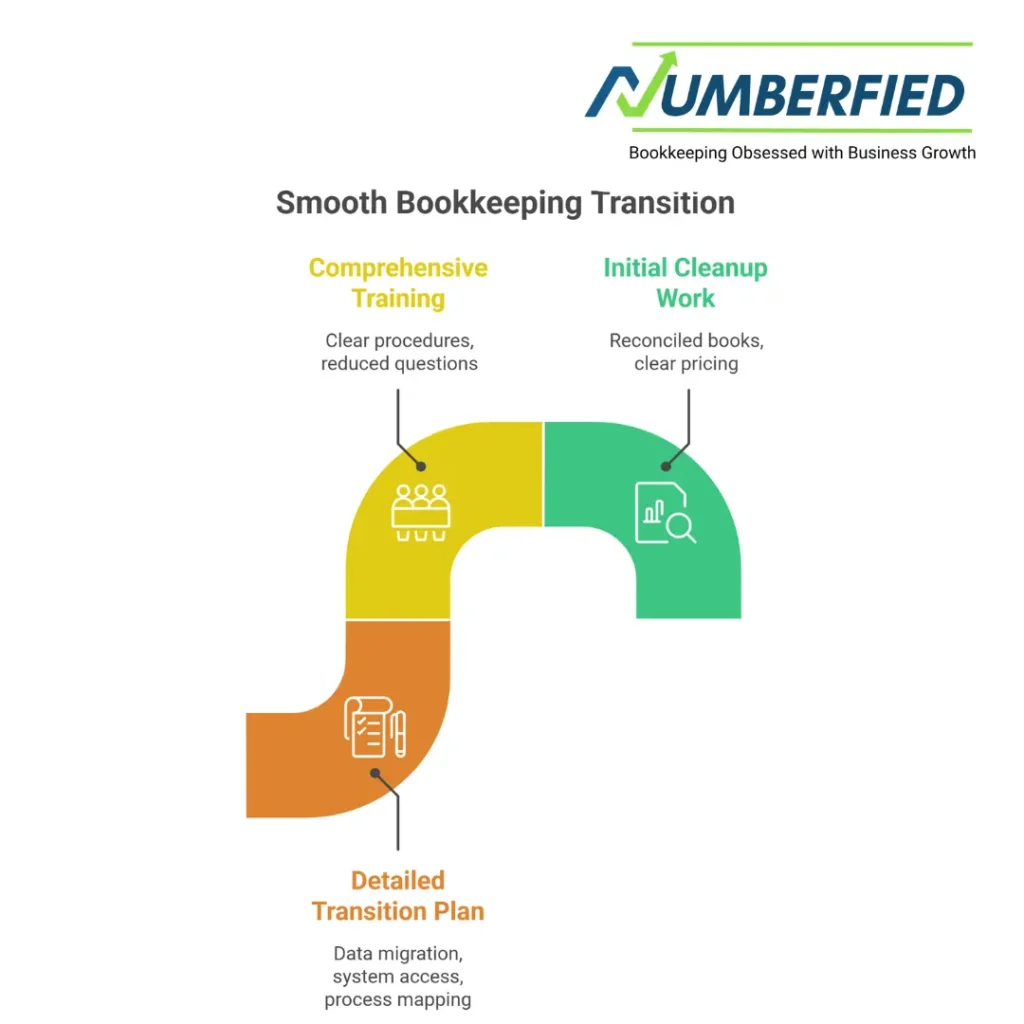
A structured onboarding plan reduces downtime and surprises. It should include data migration, system access, process mapping, and milestone checkpoints. Good planning smooths the transition and keeps onboarding costs aligned with expected average bookkeeping rates.
Training and documentation
Ensure comprehensive documentation and training for your team. Clear procedures reduce questions and rework, keeping ongoing costs in line with the agreed average bookkeeping rates.
Initial cleanup work
Many engagements begin with a cleanup to bring books to a reconciled state. Understand how cleanup is priced either as a fixed project or hourly effort, and compare that to average bookkeeping rates for similar services to avoid surprises.
Measuring Success and ROI
Key performance indicators
Define KPIs such as timeliness of reports, accuracy of reconciliations, and reduced closing time. Tracking these metrics helps you assess whether the services you receive are delivering value beyond the headline average bookkeeping rates.
Cost vs. benefit analysis
Evaluate the time savings and error reduction against the fees paid. A provider charging above-average bookkeeping rates may still deliver superior ROI through proactive advice, tax savings, or improved financial visibility.
Regular performance reviews
Schedule quarterly reviews to revisit scope, performance, and pricing. These conversations allow for adjustments to ensure services remain aligned with your needs and the market average for bookkeeping rates.
Technology and Security Considerations
Data security and compliance
Security practices are essential when sharing financial data. Ask about encryption, access controls, and data retention policies. A provider’s security posture should be part of your evaluation when considering average bookkeeping rates.
Software integrations
Confirm how accounting software integrates with payroll, CRM, and payment platforms. Efficient integrations reduce manual steps and can lower the time-based portion of average bookkeeping rates.
Ongoing upgrades and support
Ask how software upgrades, support, and training are handled. Some providers include these services, while others bill separately. Understand these costs when comparing overall average bookkeeping rates.
Selecting Numberfied: How We Approach Pricing
Transparent, customized proposals
Numberfied offers transparent proposals that align scope, technology, and expected outcomes. We work with you to build a plan that reflects your needs and offers competitive average bookkeeping rates.
Scalable service models
We provide hourly, monthly, and project-based options to match your growth stage. Our scalable models help control costs while ensuring quality, balancing efficiency with the value reflected in average bookkeeping rates.
Dedicated client support
Our team emphasizes clear communication, regular reviews, and proactive recommendations. We aim to deliver measurable benefits so that the fees you pay compare favorably with the market average for bookkeeping rates.
Practical Checklist Before You Sign
Confirm the scope
Ensure the proposal lists tasks, deliverables, and frequency so you know what the average bookkeeping rates cover. The clearer the scope, the fewer surprises later.
Understand all fees
Ask about setup fees, software costs, and potential extra charges. A complete cost picture helps you compare proposals and interpret differences in average bookkeeping rates.
Set communication expectations
Agree on reporting cadence and points of contact. Predictable communication supports efficient work and helps you monitor whether the provider is meeting the promises behind their average bookkeeping rates.
Conclusion
Understanding average bookkeeping rates requires evaluating pricing models, scope, technology, and long-term value. Clear proposals, standardized comparisons, and performance metrics ensure you pay for the right level of service. At Numberfied, we combine transparent pricing, tailored service plans, and responsive support to help you get accurate books without surprises. We work with businesses across the USA to align cost, quality, and growth objectives while keeping average bookkeeping rates competitive and fair.
If you are ready to discuss your bookkeeping needs and get a customized proposal, visit https://numberfied.com/ to contact our team. We’re happy to review your needs and provide a clear plan that fits your budget and goals, based on average bookkeeping rates.
Frequently Asked Questions
What are typical factors that determine average bookkeeping rates?
Several factors determine average bookkeeping rates, including the complexity of your transactions, the level of expertise required, geographic considerations, and the software used. Businesses with multiple entities, inventory, or industry-specific compliance will generally face higher rates due to increased effort and specialized knowledge.
How do I know whether to choose hourly or monthly pricing?
If your bookkeeping needs are irregular or project-based, hourly pricing offers flexibility and control. This model fits businesses with seasonal spikes or infrequent tasks. Estimate monthly hours to compare overall cost-effectiveness against other models.
Can technology reduce the average bookkeeping rates I pay?
Yes. Automation and modern cloud accounting platforms can reduce manual work, speeding up reconciliations and reducing errors. These efficiencies often translate to lower hours billed or smaller monthly packages for comparable output.
How should I evaluate a bookkeeping proposal?
Evaluate proposals by reviewing the scope of work, pricing structure, software included, reporting cadence, and support levels. Look for clarity on deliverables and any additional fees. Proposals should provide sufficient detail to allow an objective comparison of services.
What does bookkeeping cleanup typically cost?
Cleanup costs vary based on the depth of issues, volume of transactions, and the state of historical records. Cleanup engagements are often scoped as projects with a clear deliverable and timeline. Providers may quote a fixed price or an estimated hourly range.
Are there hidden fees I should watch for when reviewing rates?
Potential hidden fees include software subscription costs, payroll processing fees, tax filing fees, and extra charges for ad hoc requests outside the agreed scope. Clarify these items in the proposal and ask providers to list all possible charges to avoid surprises.
How often should I receive financial reports from my bookkeeper?
Reporting frequency depends on your business needs. Many businesses receive monthly financial statements and reconciliations, while some prefer weekly cash reports or dashboards for tighter cash management. High-growth businesses or those needing real-time insights may require more frequent reporting.
Can a bookkeeper help reduce my tax burden?
Bookkeepers can play a significant role in tax readiness by ensuring accurate records, properly categorizing expenses, and providing timely reports. While they do not replace tax professionals, accurate bookkeeping reduces errors and uncovers deductible expenses, which support better tax outcomes.
How quickly can I expect onboarding to be completed?
Onboarding timelines vary based on data complexity, system migrations, and cleanup needs. A simple transition can take a few weeks, while a complex migration with significant cleanup may take longer. A clear onboarding plan with milestones helps set realistic expectations.
When should I contact Numberfied to discuss my bookkeeping needs?
If you are evaluating current costs, experiencing inconsistent books, or planning to scale your operations, it is a good time to reach out. Early conversations help us tailor an approach that aligns services, technology, and pricing to your goals.
Read Also: Why Do Accountants Charge So Much? Exploring Accounting Firm CFO Services